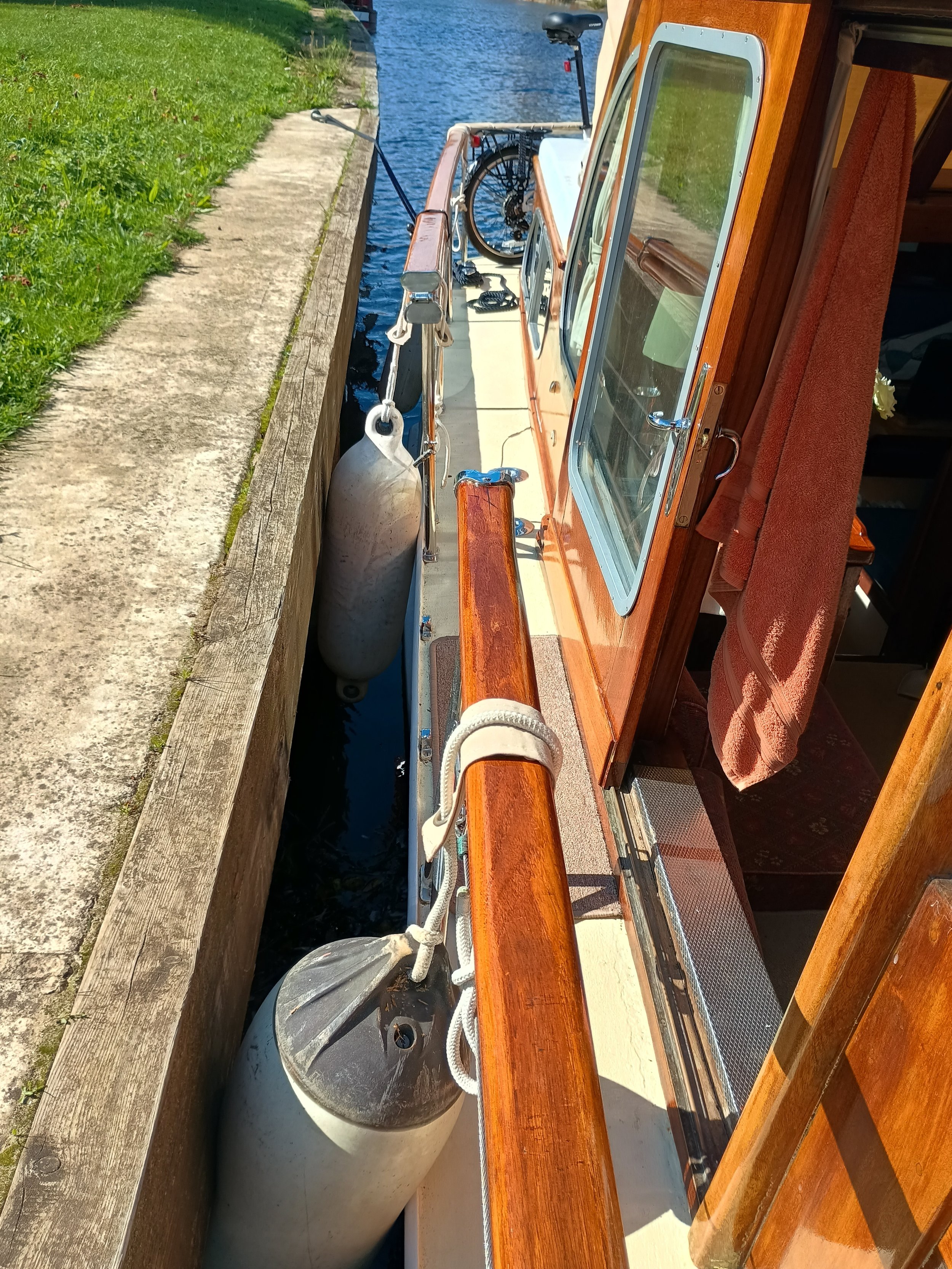
Towards the end of last summer, while Deux Poissons was peacefully tied up on a mooring in Abingdon, we experienced something every boat owner dreads – another boat ran into us.
It wasn't just a gentle nudge. The impact was a significant bump, and our front port-side handrail suffered the worst of the damage, with one section breaking completely. Fortunately, the owner of the other boat was insured, and we were able to gather everything needed for the insurance companies to agree to the claim.
The timing, however, could not have been worse.
Winter was approaching, and we were preparing to leave for South Africa for six months. Deux Poissons was already booked to be lifted onto the hard at our home marina and stored under cover while we were away. Any repairs would have to wait until our return.
When we eventually arrived back in the UK and settled once again into life afloat, it was time to make arrangements for the repair work. The insurance company appointed a boatyard to carry out the repairs, and when it was agreed that it would be Dennett Boat Builders, we could hardly believe our luck.
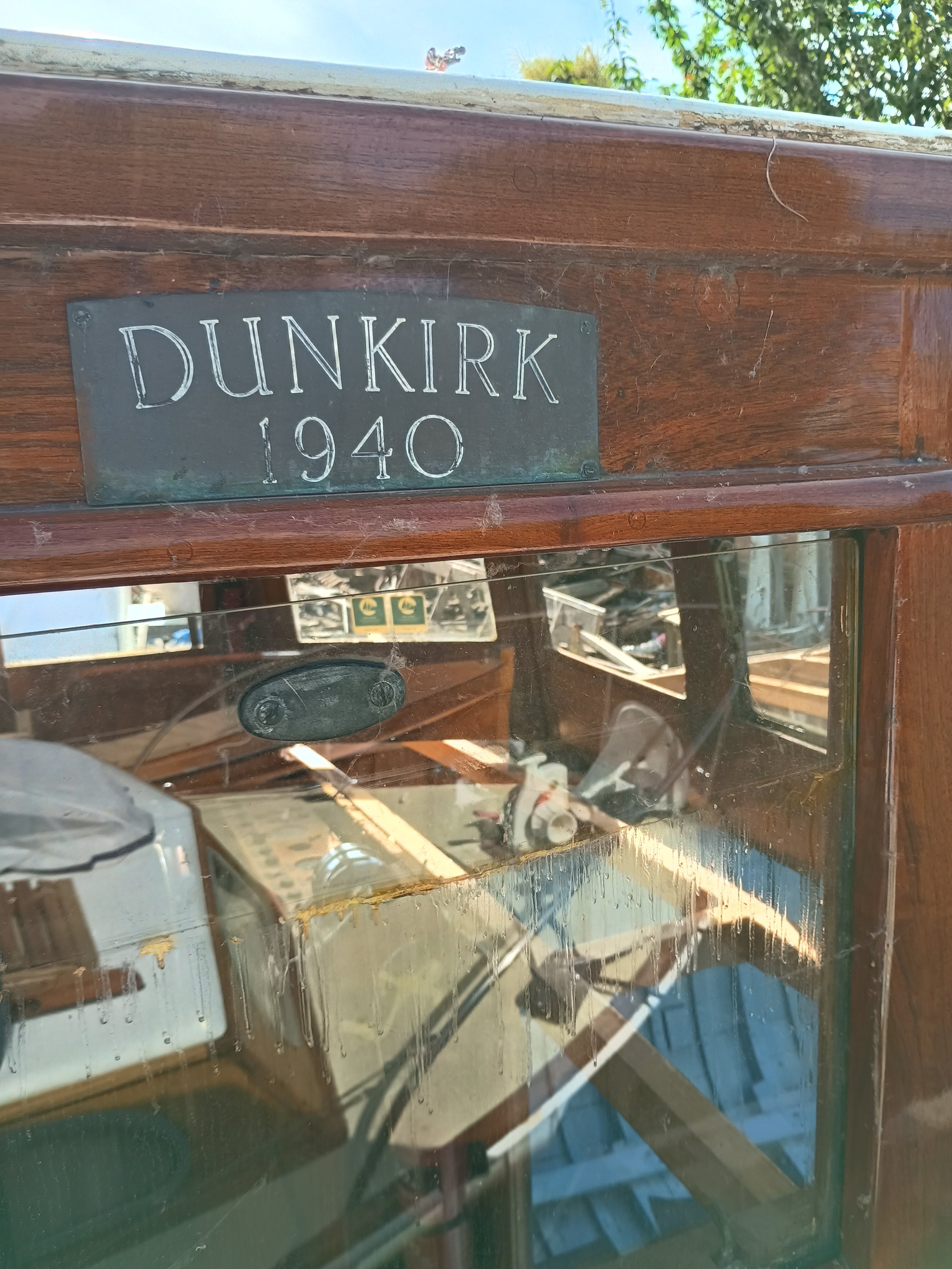
For anyone who appreciates classic wooden boats, Dennett's needs little introduction. The yard is renowned for its craftsmanship and specialist restoration work, including projects on the famous Little Ships of Dunkirk.
Years ago, when Patrick and I were planning the restoration of Deux Poissons, Dennett's was one of the boatyards we dreamed of using. We spent countless hours admiring the photographs in their gallery and following their work on social media. We spoke to other boat owners who had work done on their boats and heard nothing but praise.
At the time, however, it simply wasn't within our budget. With so much work needing to be done, we had to make difficult choices about where we could spend our savings.
Over the years, as we travelled on the Thames, we passed the boatyard several times. Each time, one of us would look across and say, "Imagine if..."
Now, incredibly, we were on our way there.
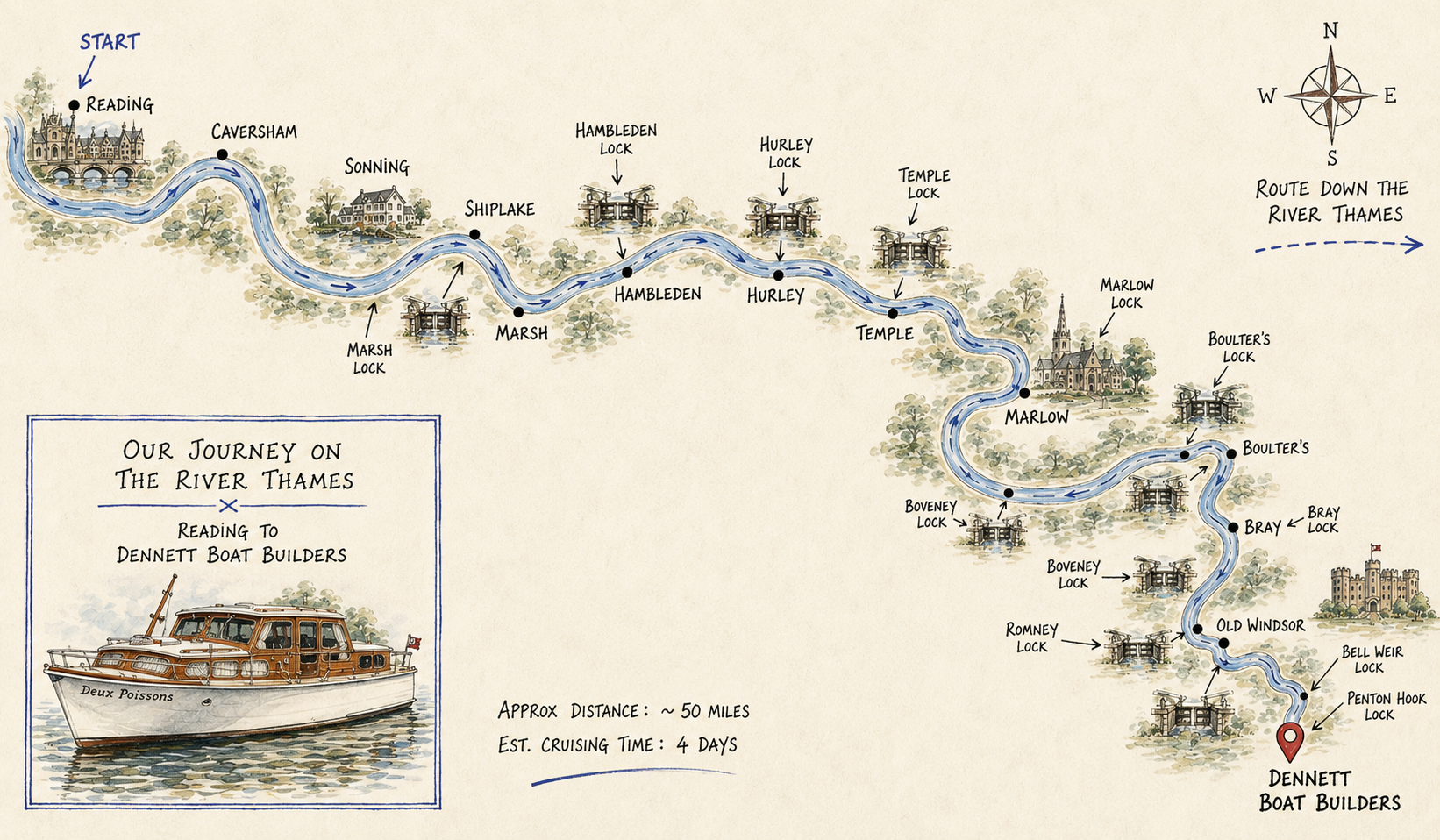
We chose the Bank Holiday weekend for the journey and planned four leisurely days to make our way down to Chertsey. As luck would have it, the UK was enjoying one of its rare spring heatwaves. The river and locks were predicted to be busy for a change, the skies were blue and the beers cold. It was going to be the perfect trip.
What had started as an unfortunate accident was beginning to feel like an unexpected opportunity. Sometimes life has a way of taking you somewhere you had only ever imagined, even if the route there is not quite the one you would have chosen.
And for us, that destination was Dennett's Boat Builders….
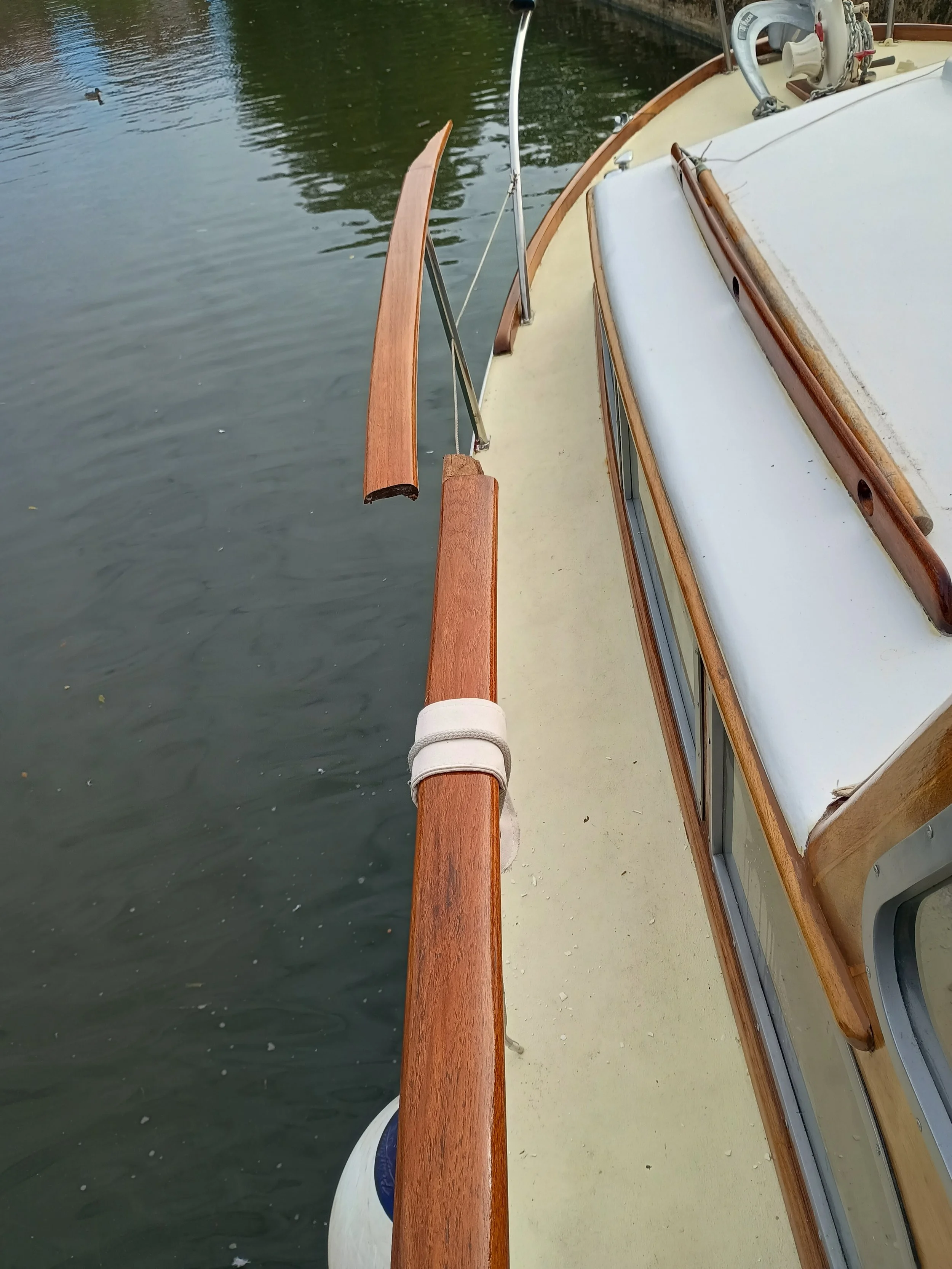
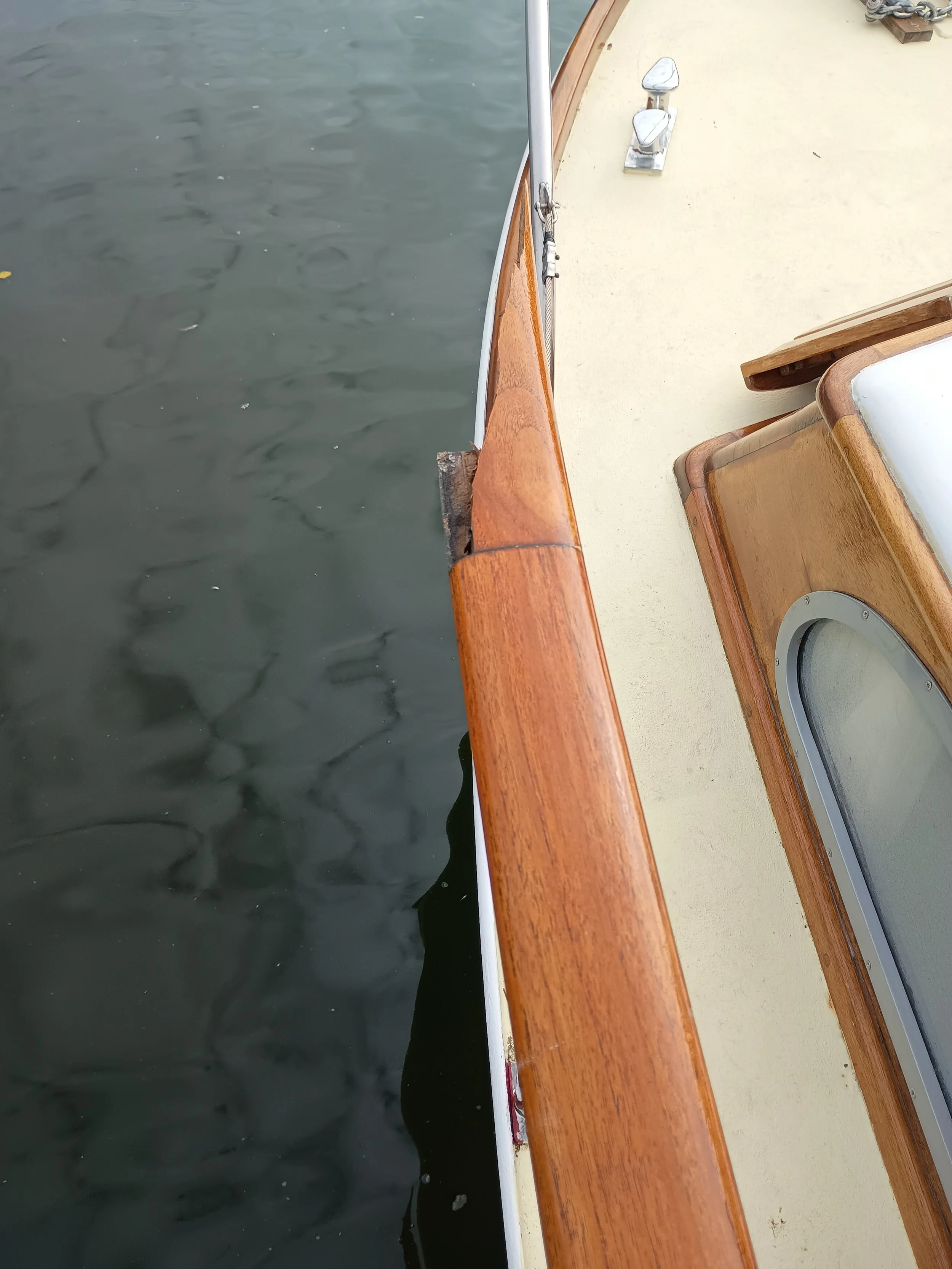
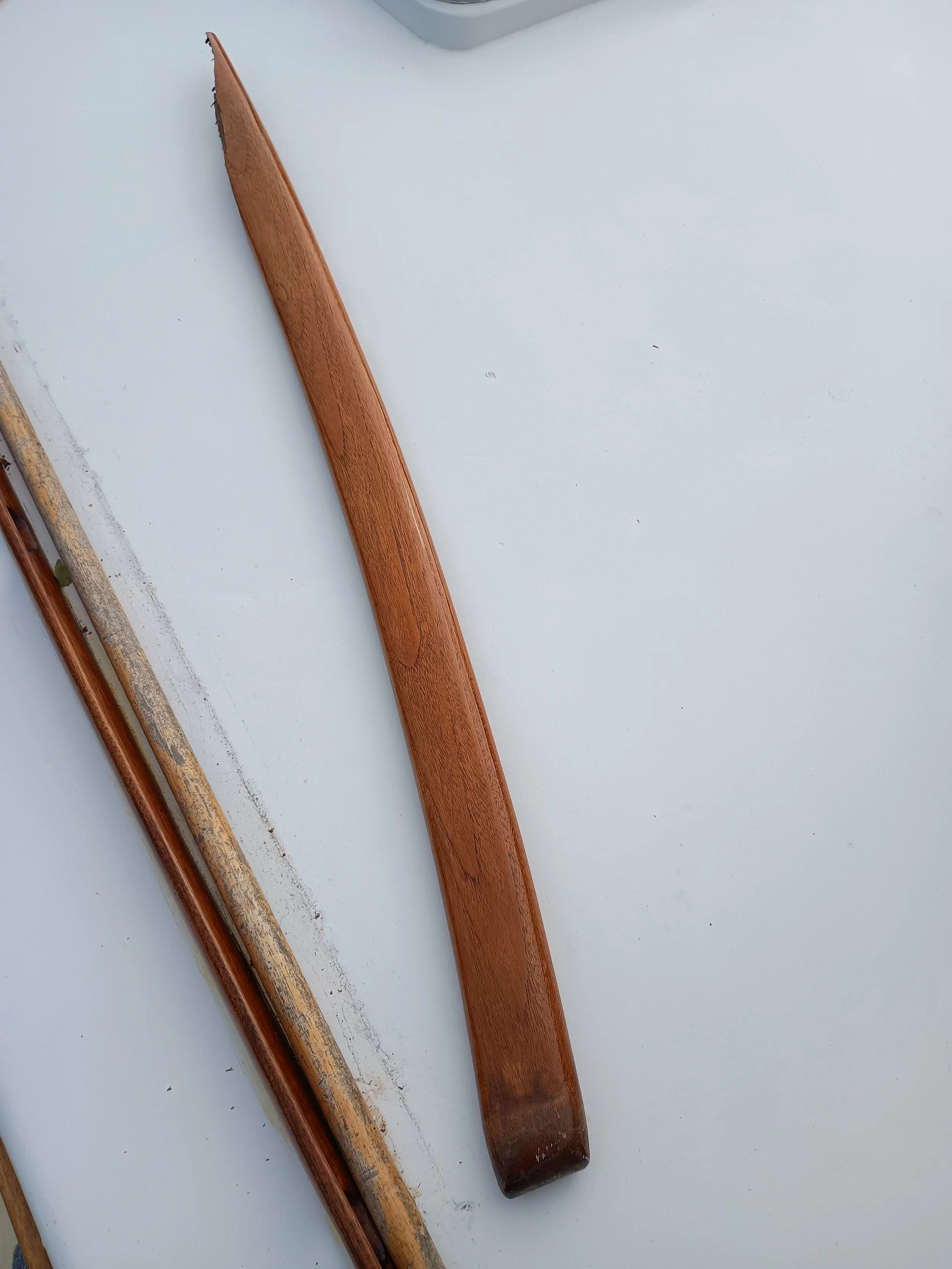
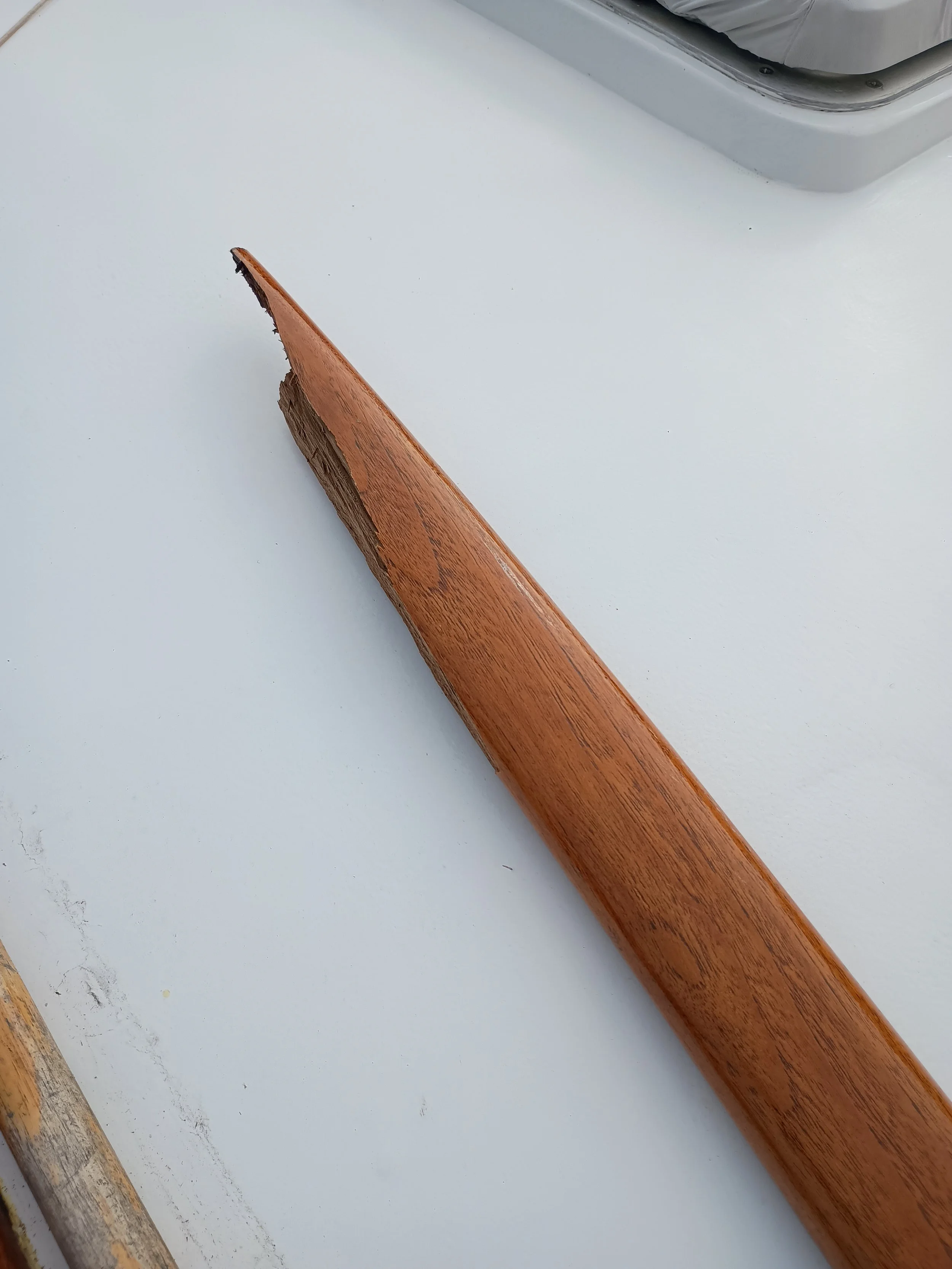
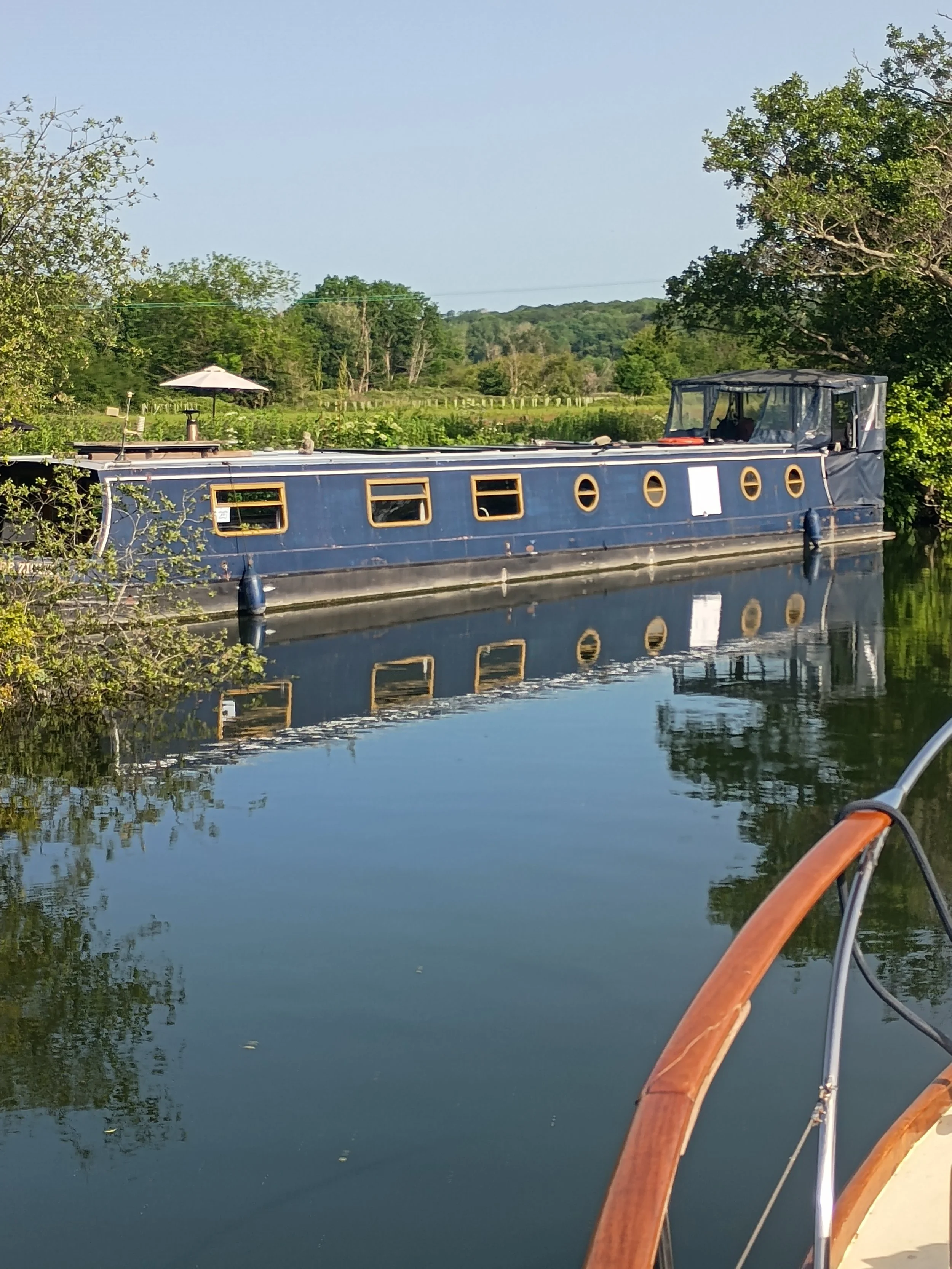
FRIDAY
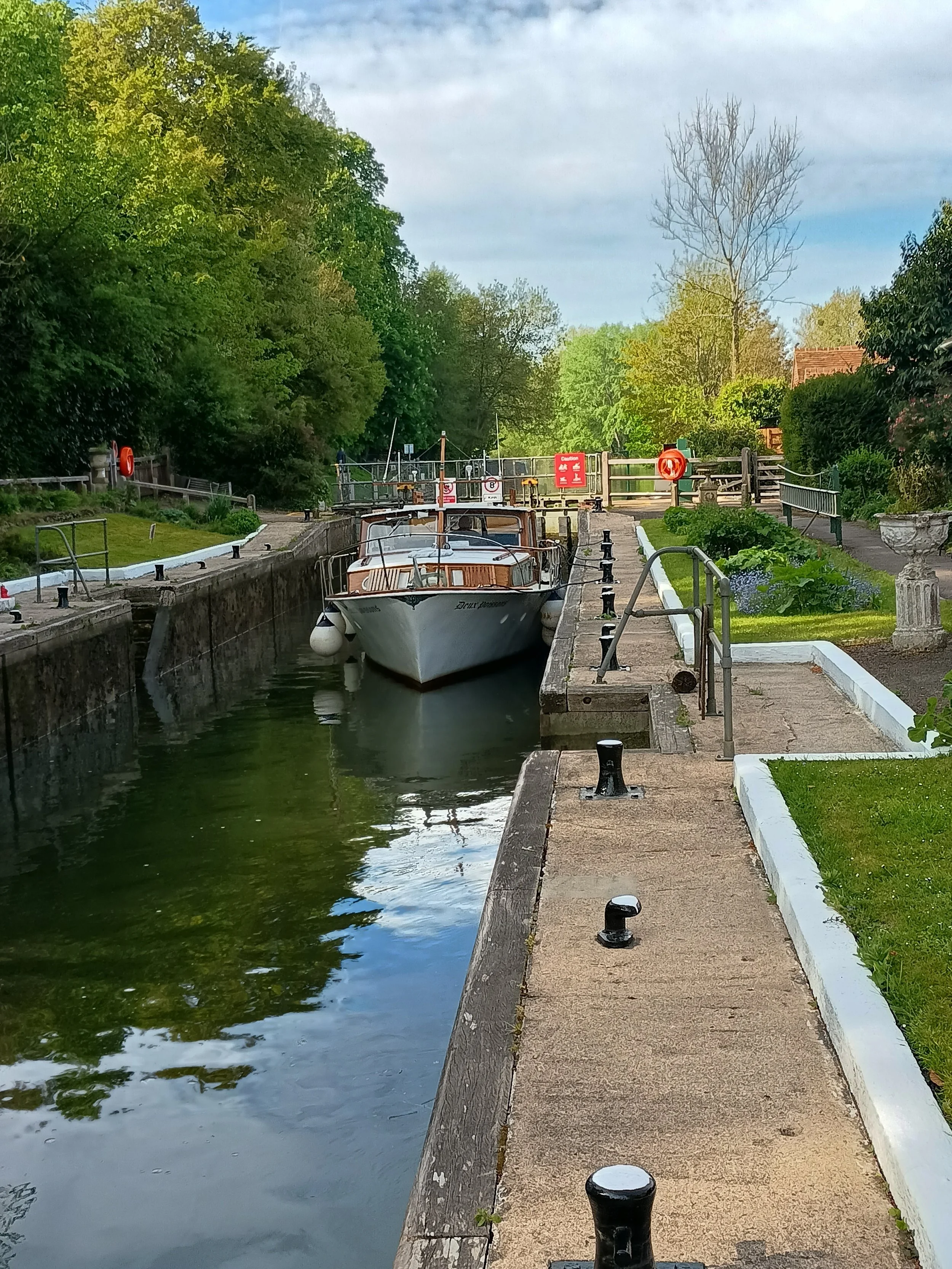
So we set off late on Friday afternoon with full tanks of water and fuel, plenty of provisions on board, and enough food for several days. Our plan for the first leg was an easy, gentle one in the late sunshine and overnight at Sonning. We only had a single lock to negotiate — Caversham Lock.
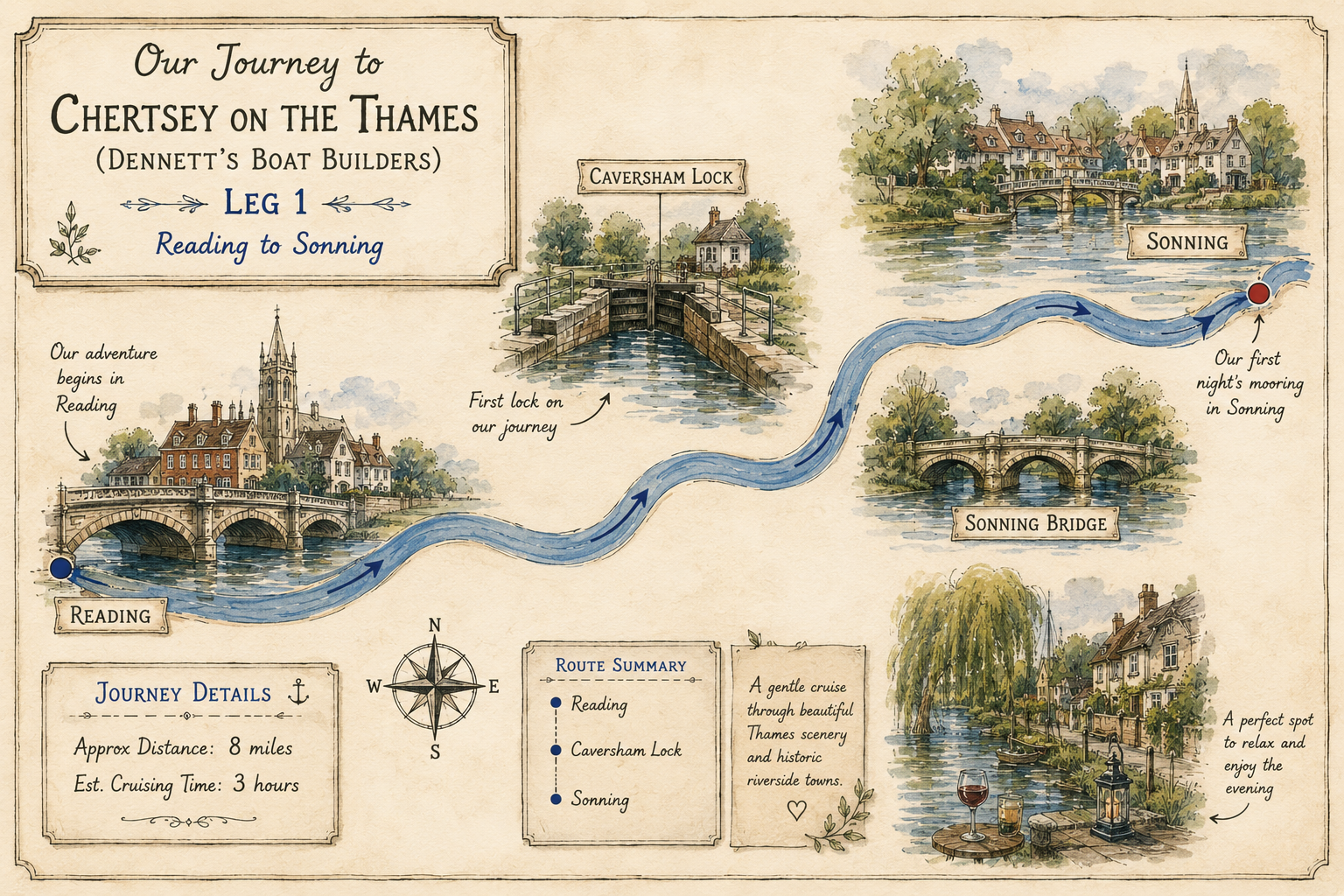
Mentioned in the Domesday Book of 1086, Caversham was once known for the medieval Shrine of Our Lady, an important pilgrimage destination. It is a place steeped in history.
We have our own Caversham "Doomsday" story.
It was here, in May 2025, that our engine spluttered, coughed, bellowed out clouds of smoke and finally died. In that moment, all our plans to cruise to France came to an abrupt end. We had spent months preparing. We had finally received our long-stay French visas, packed the boat, studied guidebooks, and said our goodbyes to friends and family. We thought we were ready. Until we weren't.
Like many towns and villages along the Thames, Caversham has a fascinating river history. Records of river crossings and flash weirs date back to the 1400s. The original pound lock was constructed in 1778, while the current structure was rebuilt in 1875.
In 1960 - the same year Deux Poissons was “born” - Caversham Lock became the first lock on the River Thames to be fitted with a hydraulic gate operating system. Ironically, it was the one lock we never managed to pass through to start our French adventure.
This time, however, we were greeted by friendly lock keepers who opened the gates and waved us through. Deux slipped quietly into the lock, running smoothly and, most importantly, smoke free.
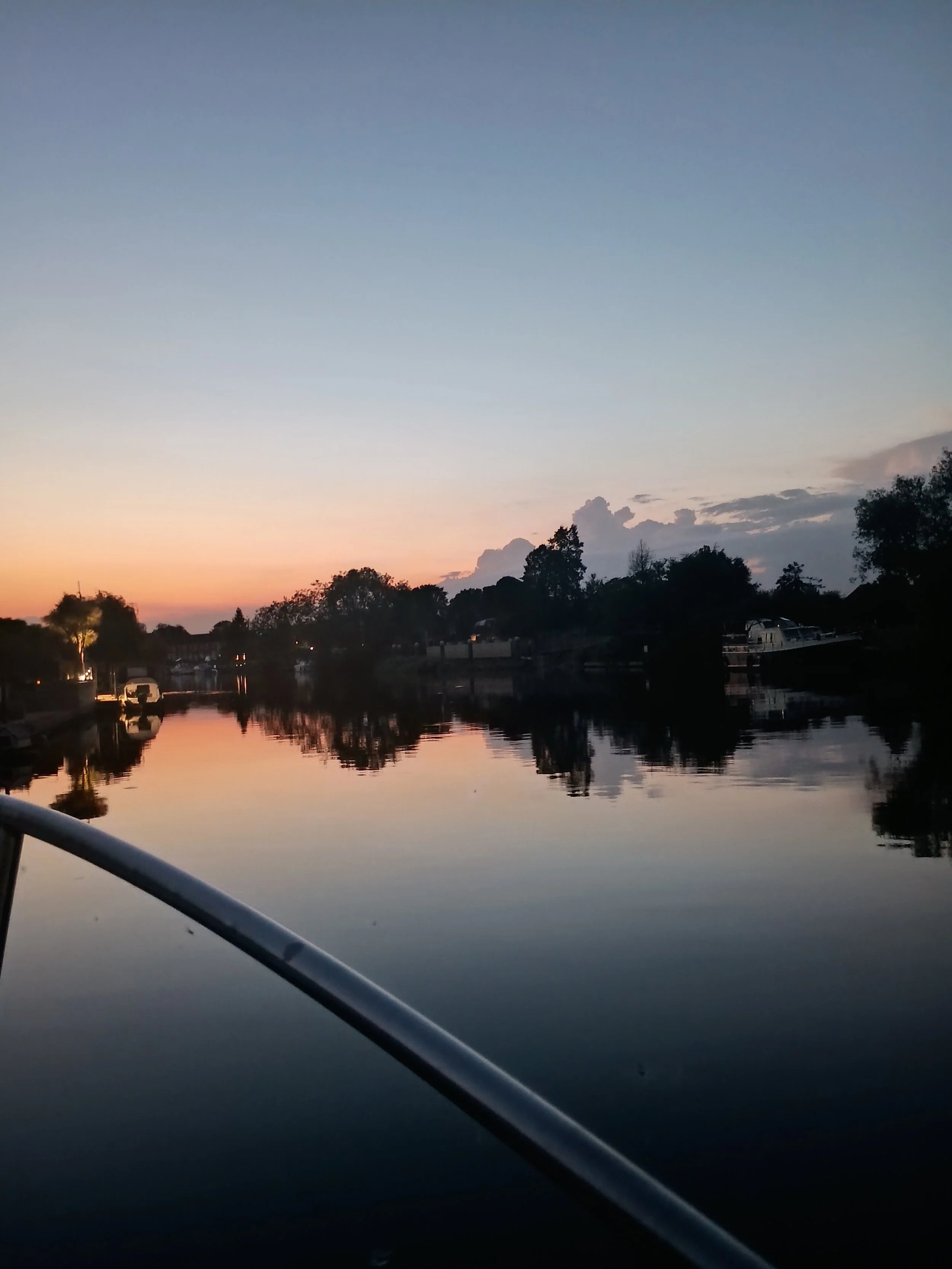
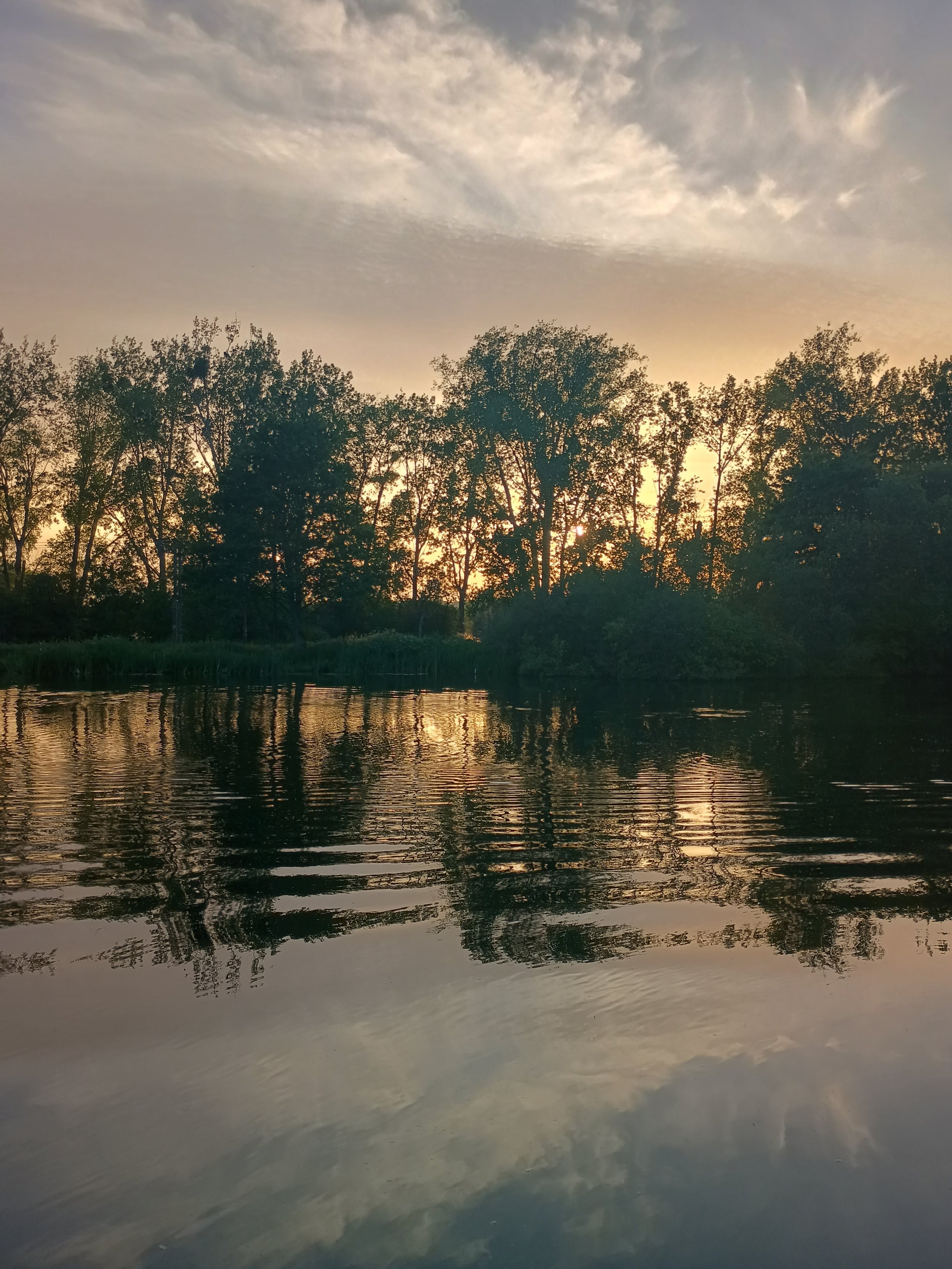
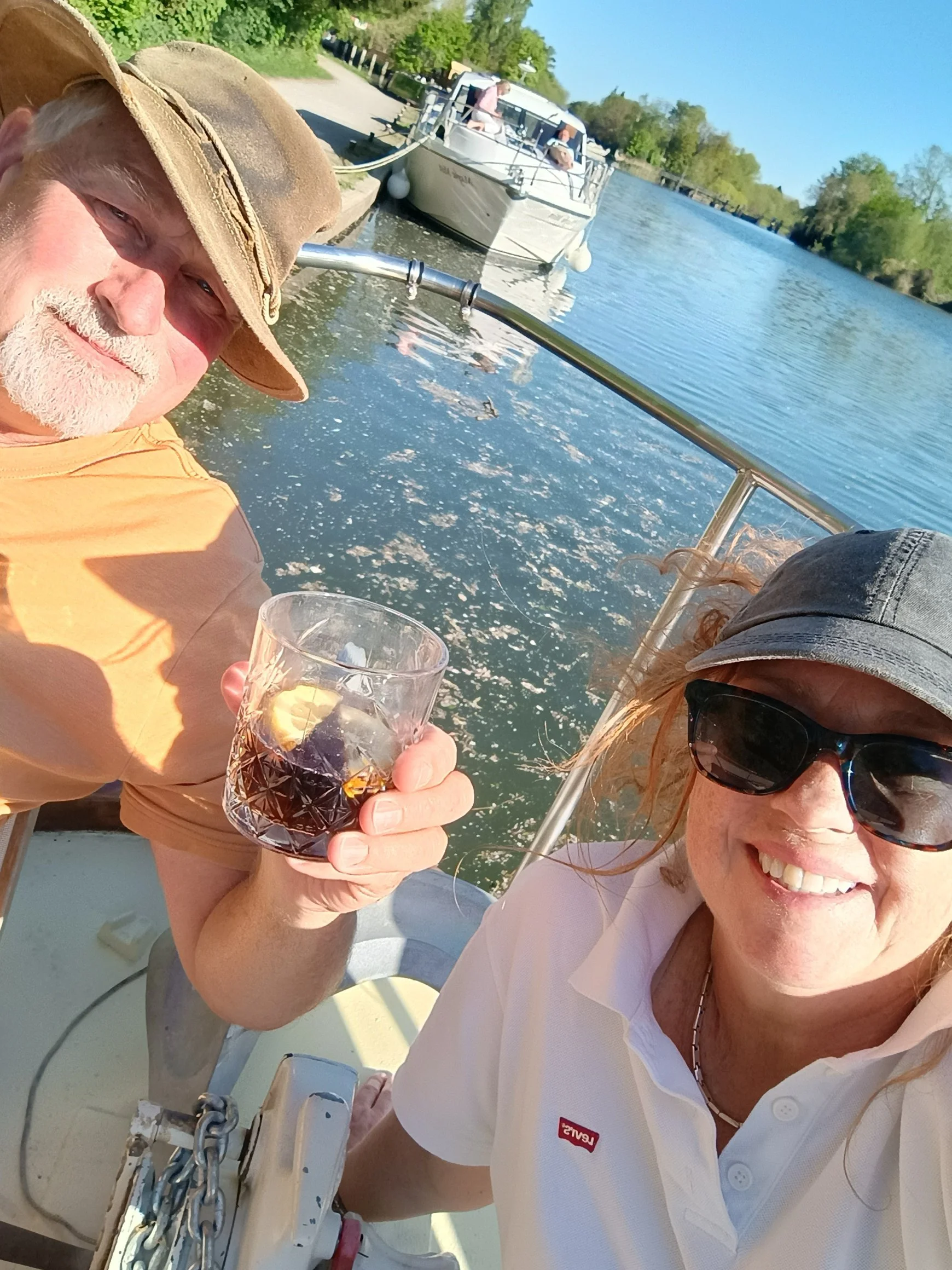
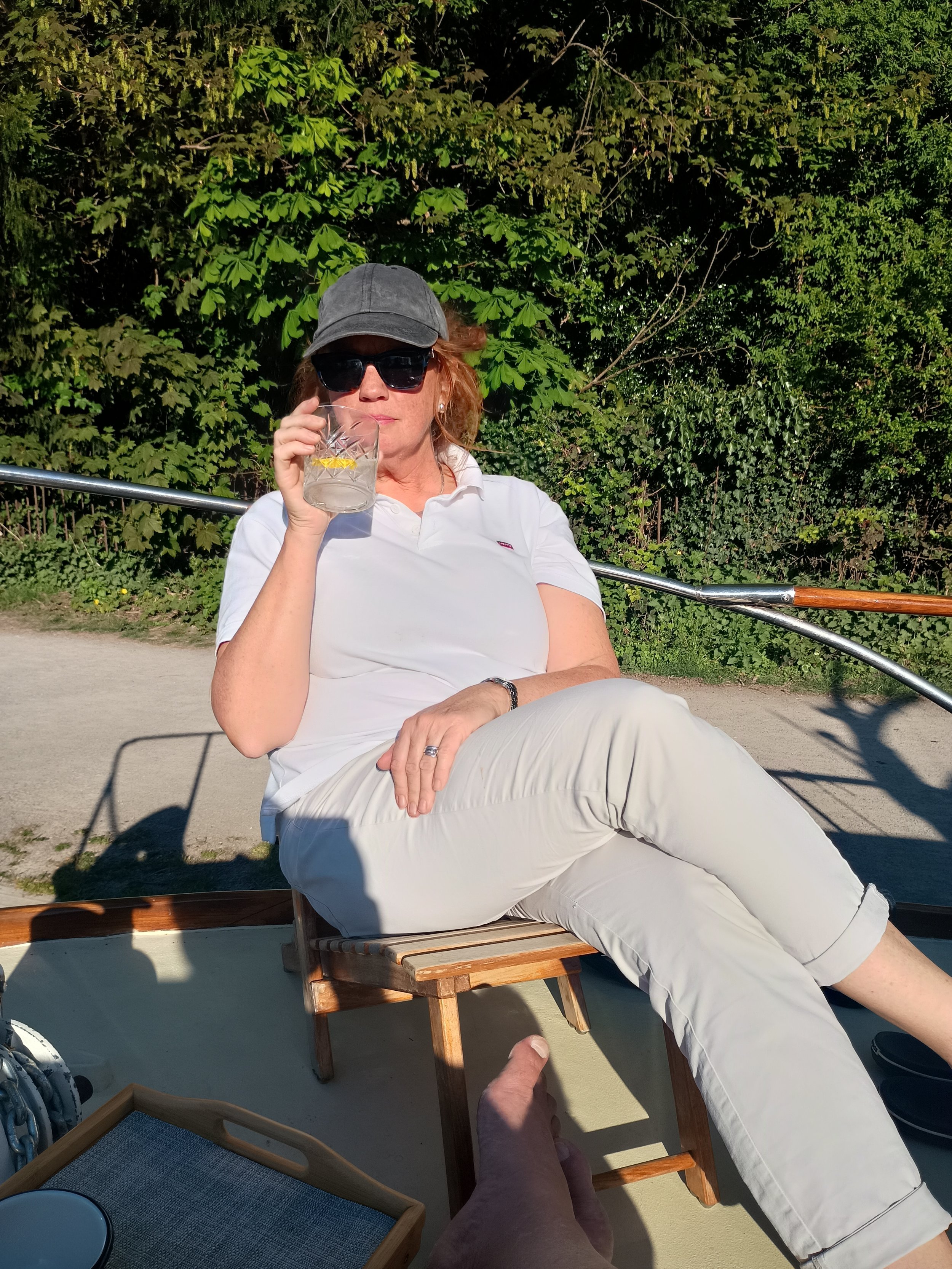
Less than three hours later we were tied up at Sonning, enjoying a beautiful summer evening. With a chilled glass of wine in hand, we chatted with neighbouring boaters and new friends who we met on the mooring, as the sun slowly disappeared behind the trees.
Saturday
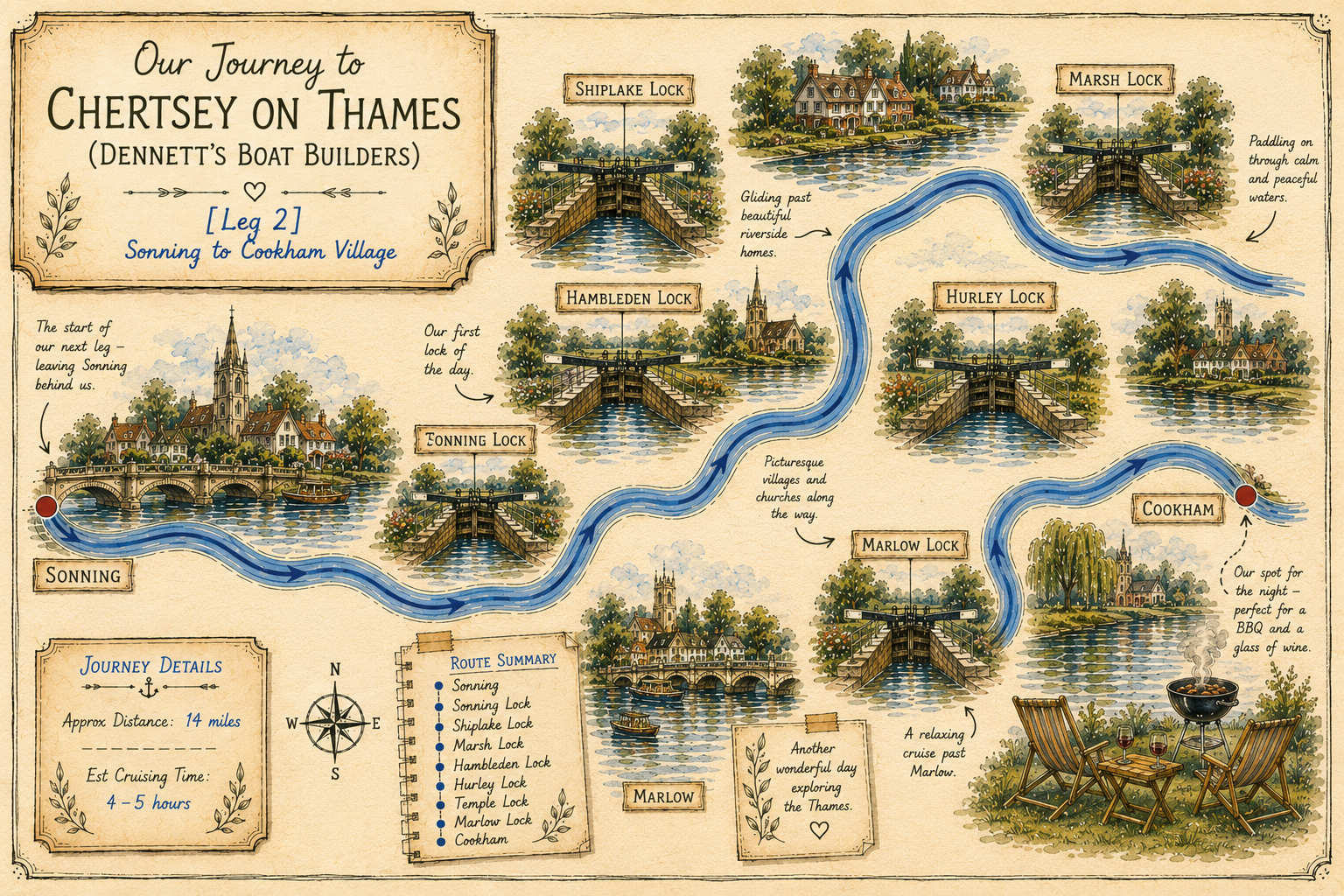
We were up early the following morning and set off towards Cookham Village.
The river and locks were busier than we had experienced so far, and with it being a Bank Holiday weekend and temperatures forecast to exceed 25°C, we knew things would only become more crowded.
Our aim was to moor at a spot on the Cookham Village bank, one that we had used before, with easy cycling access into the village and its welcoming pubs. Before we could think about that, however, we had six locks to negotiate.
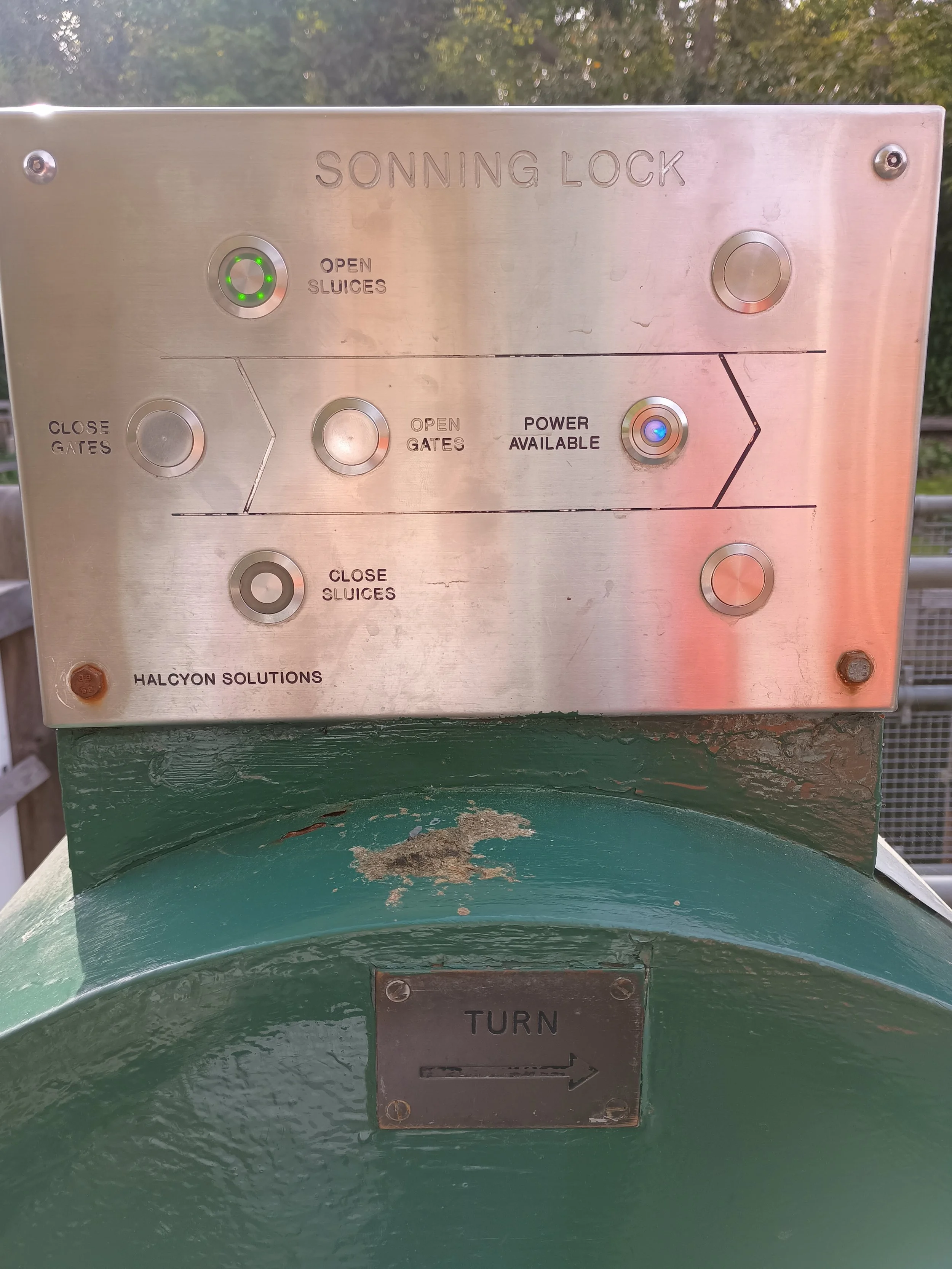
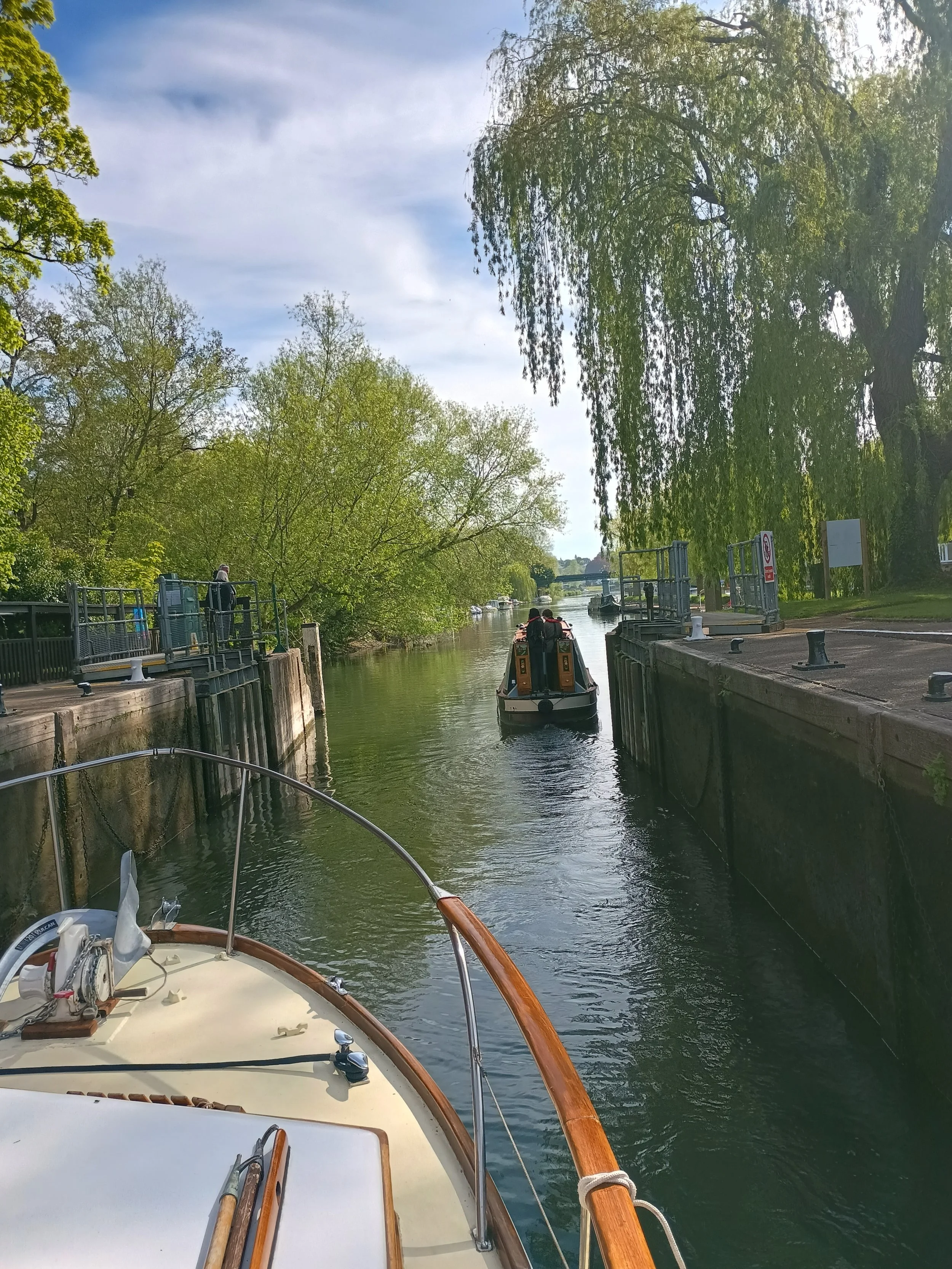
Each lock can take up to twenty minutes to pass through, sometimes longer if there are boats waiting from the opposite direction or if the lock has to be emptied and refilled before your turn. The upside is that there is rarely any rush. We spend the waiting time chatting to fellow boaters, many of whom we have already met at previous locks. Friendships often begin while waiting for lock gates to open.
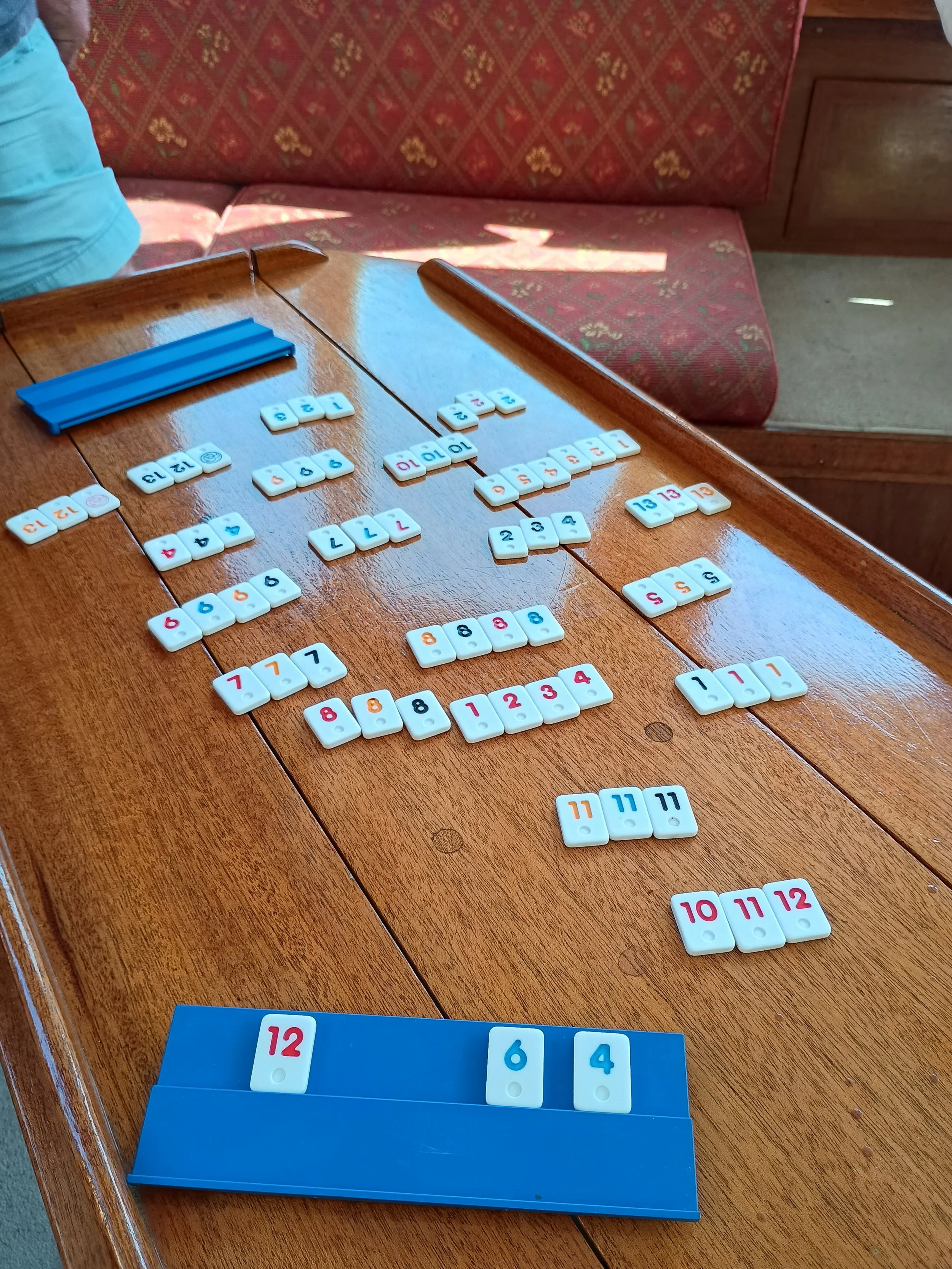
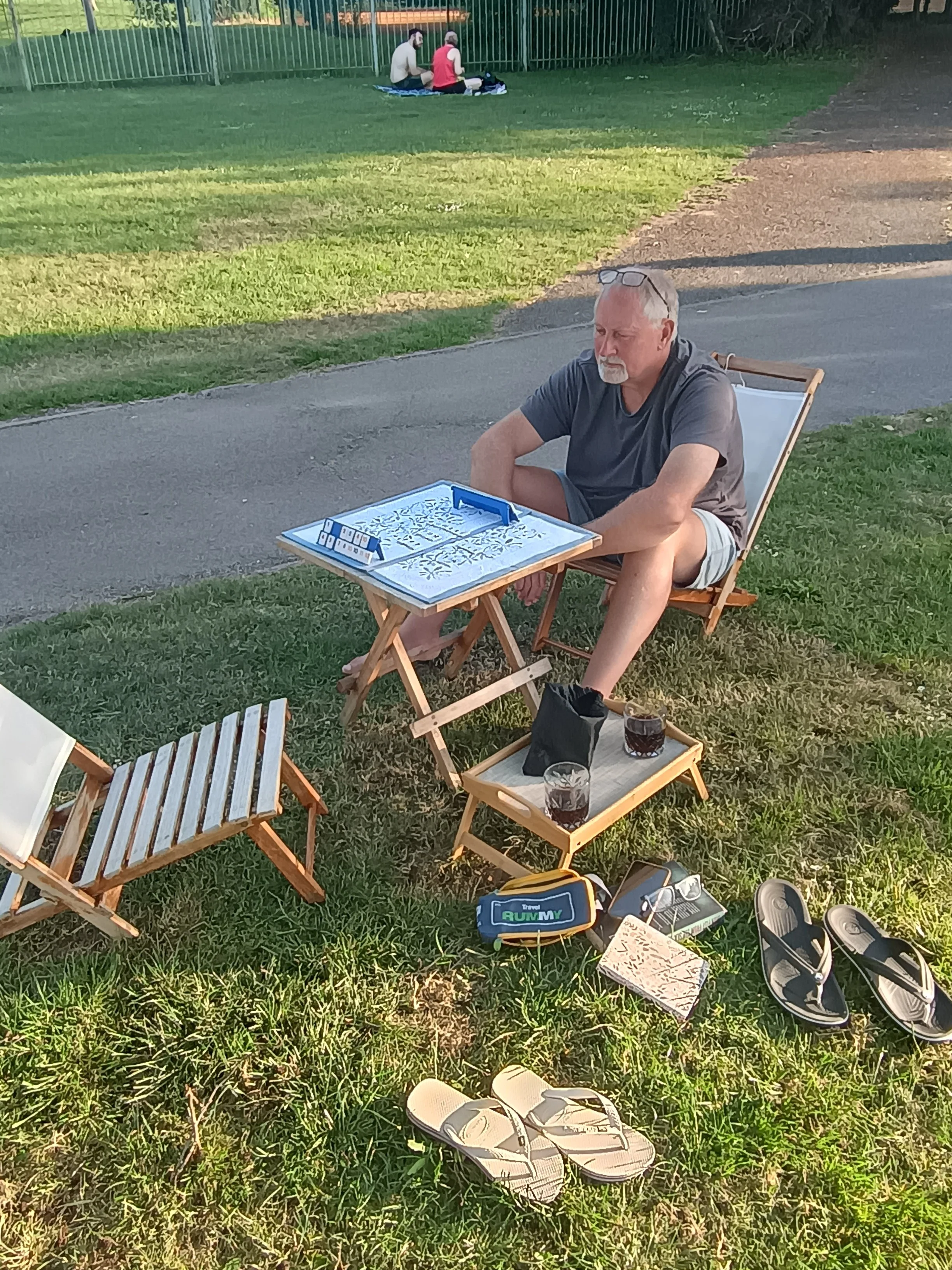
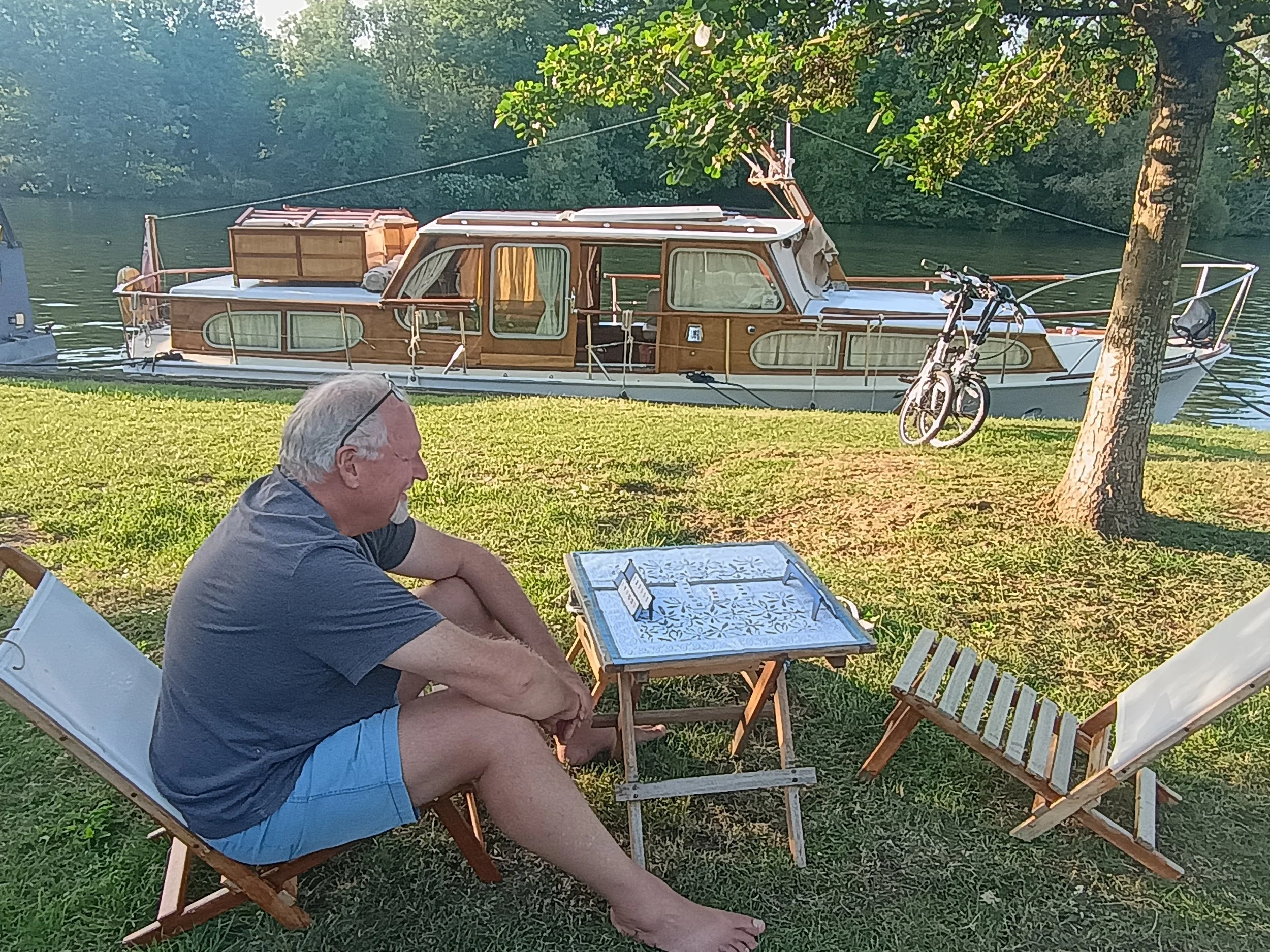
If conversation runs dry, there is always a game of Rummikub, a few chapters of a book, or simply sitting back and enjoying life on the river and wondering if the building I am looking at is a house or a hotel. I often cant tell!!
The downside is that there are no guarantees when it comes to moorings. Most cannot be booked in advance, so you simply hope there will be space when you arrive. If there isn't, the backup plan springs into action — a quick check of the River Thames Guide app, combined with a careful eye on the riverbank for any suitable alternatives.
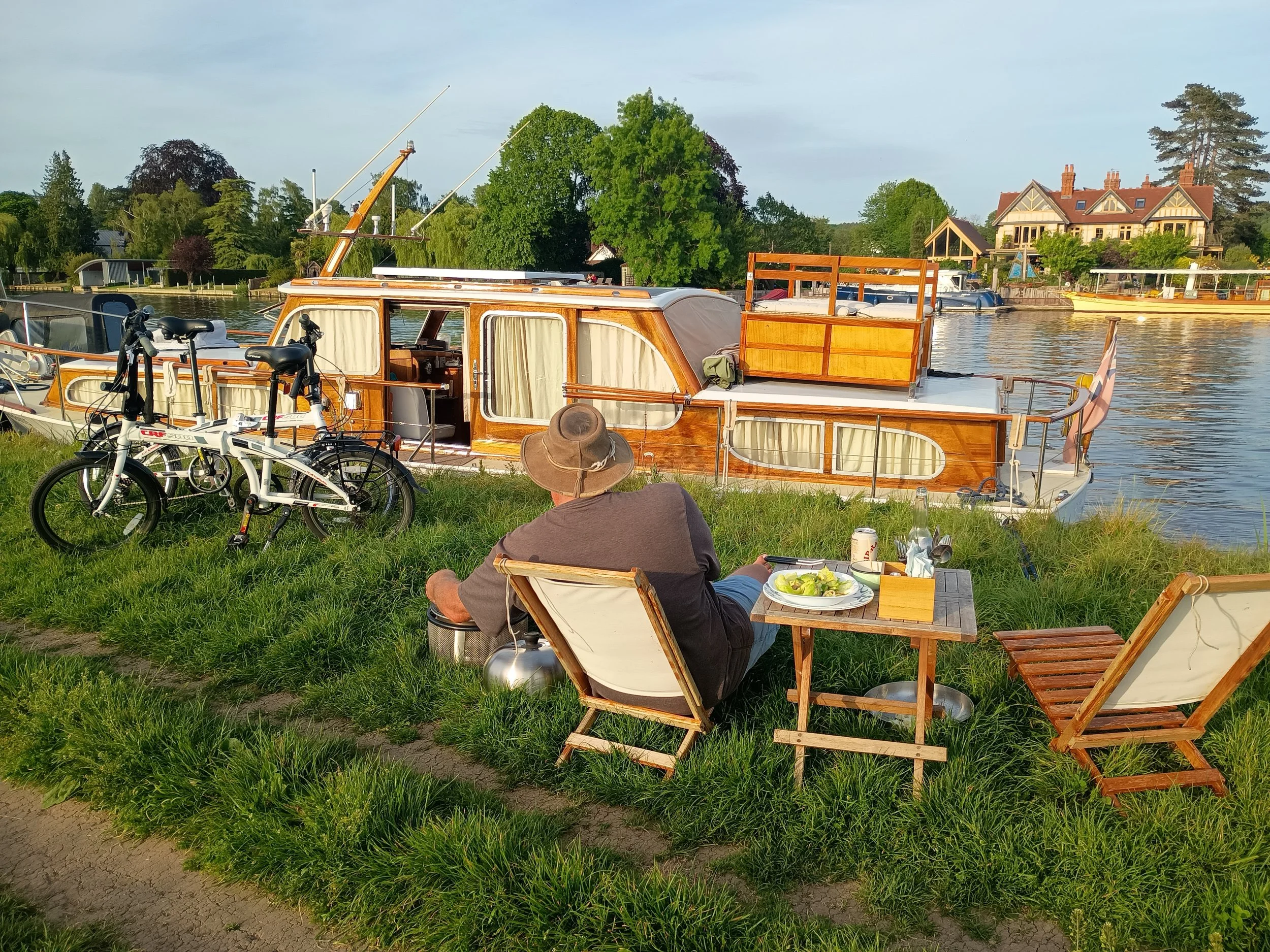
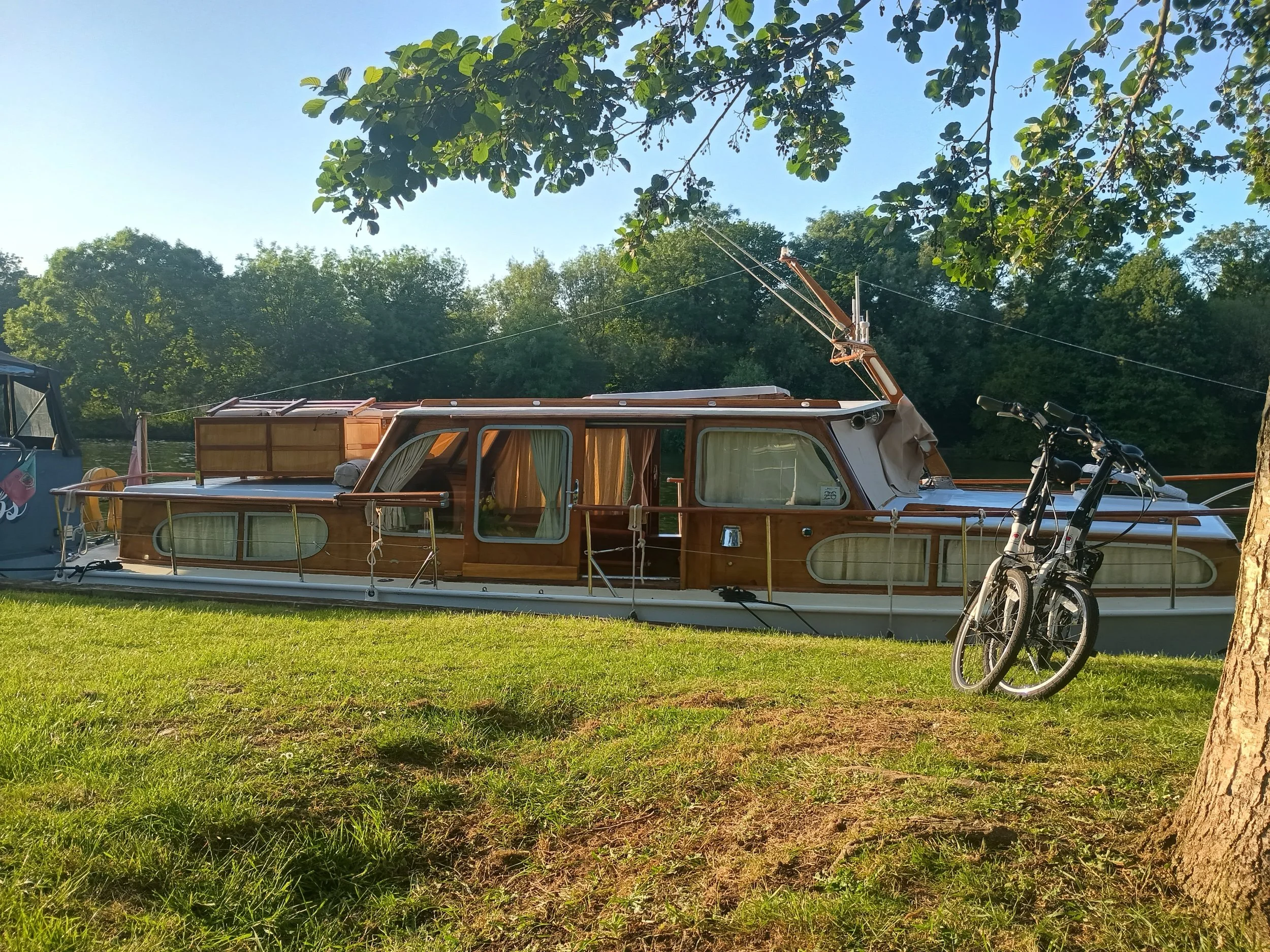
As expected, Cookham's popular moorings were packed, with boats rafted two and three deep. Fortunately, we found a quiet stretch of bank a little further along. We grabbed it immediately, hammered in our mooring spikes, and settled in for the evening.
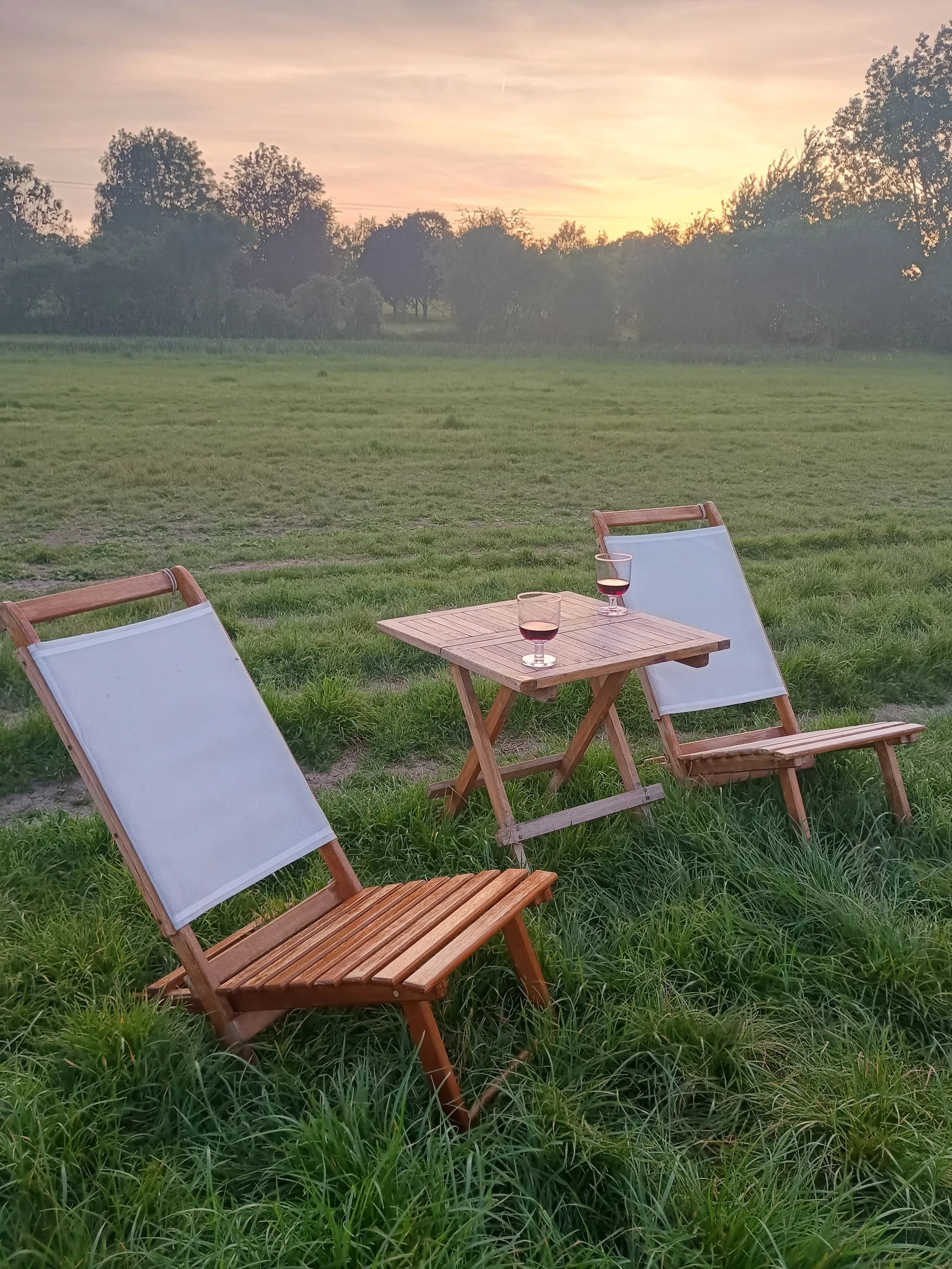
Although it meant a slightly longer cycle into the village, the space was beautiful and peaceful. Later that evening we lit the barbecue and enjoyed steak and salad while the sun set, sipping on a glass of red wine
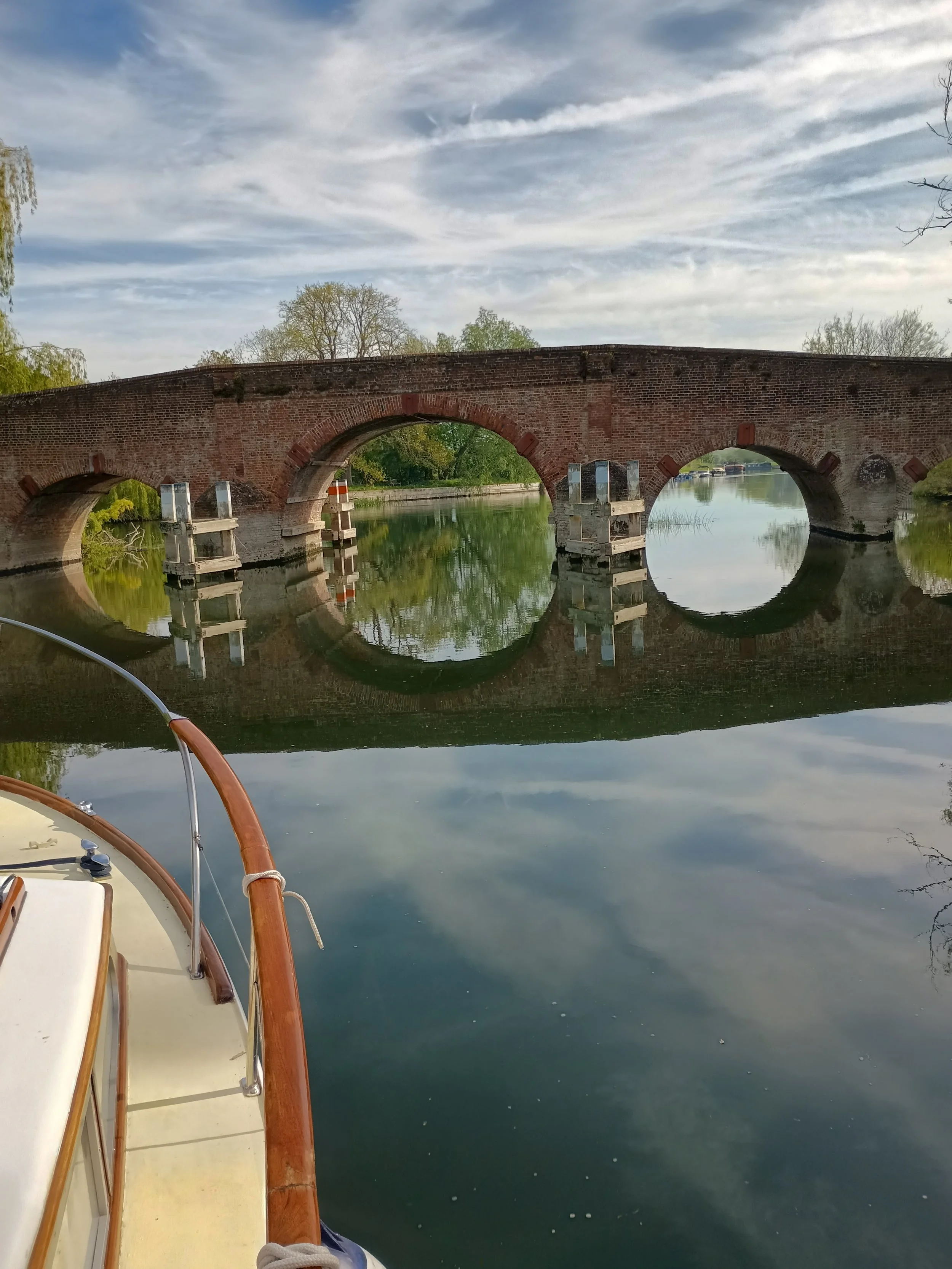
It is said that Kenneth Grahame, author of The Wind in the Willows, spent his childhood in the Cookham area and drew inspiration from these parts of of the Thames. Looking around us that evening, it was very easy to believe.
SUNDAY
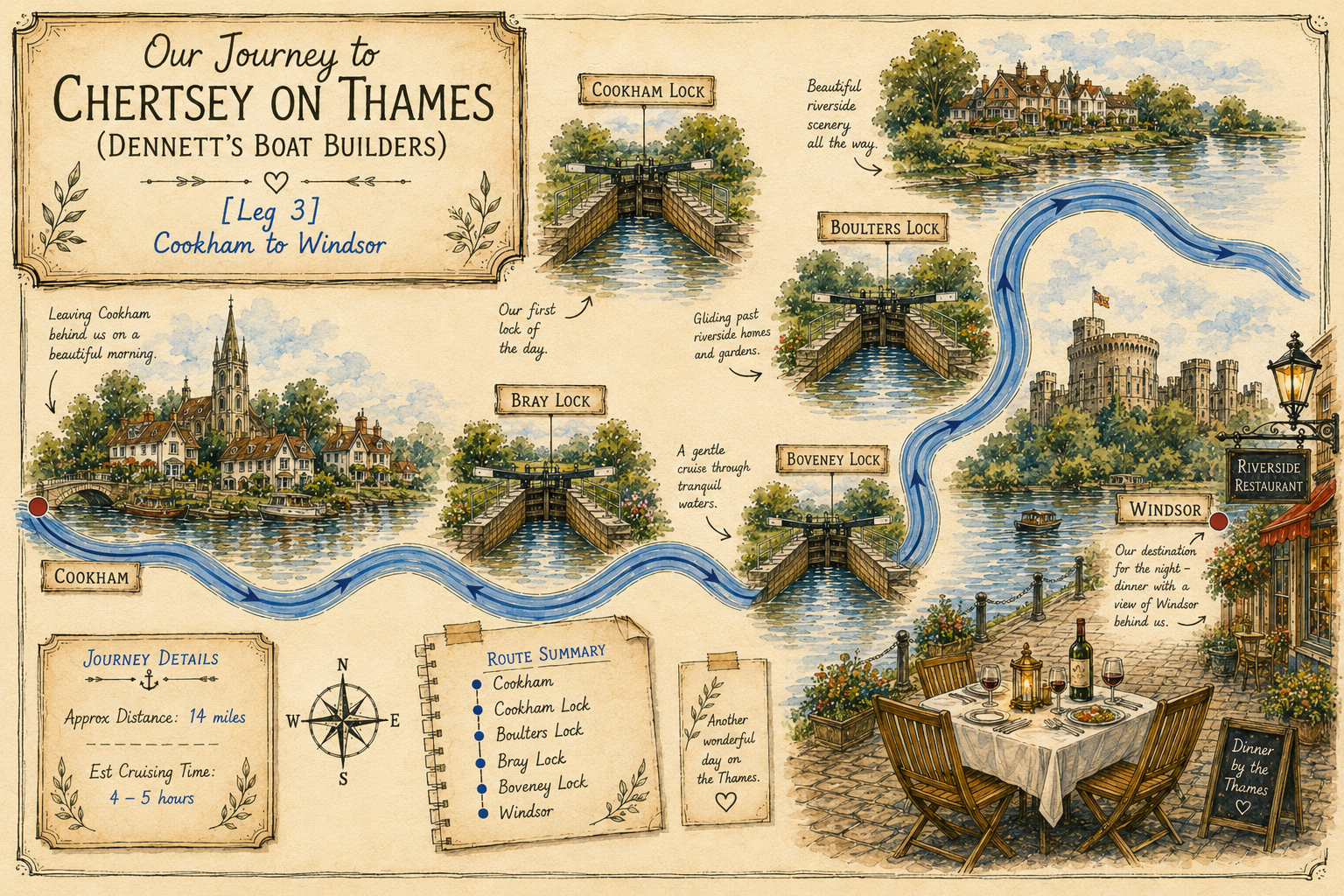
We left our Cookham mooring before 9am, hoping to secure a space in Windsor for the night, before the crowds arrived.
By now the river was extremely busy, and finding a mooring was becoming increasingly difficult.
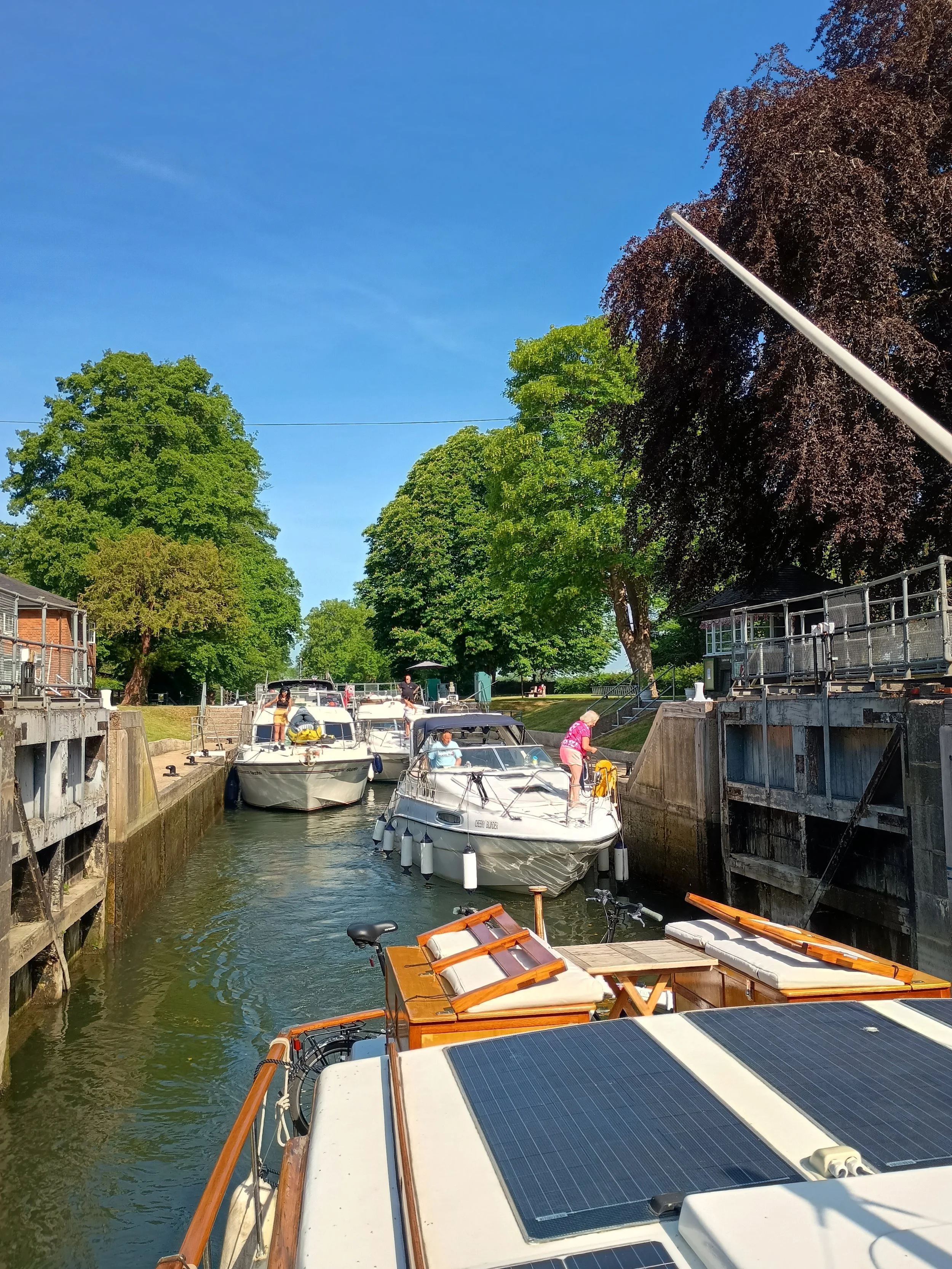
Although we only had four locks to pass through that day, they were among the busiest we had encountered. Several large wide-beam boats were travelling the same route, making lock manoeuvres particularly interesting.
The lock keepers are incredibly experienced and somehow manage to fit what appears to be an impossible number of boats into each lock. Even so, there were moments when I held my breath as we were waved inside. With our steel hull, I was less concerned about Deux Poissons than some of the fibreglass cruisers surrounding us as the water surged and swirled around the lock.
Patrick always has the final say on these things, and I trust that he will choose to wait for the next available slot rather thank risk a crush, but thankfully everything went smoothly.
We did spend quite some time waiting at one lock, but I won a game of Rummikub while we waited, so I considered the delay a complete success.
By setting off early, we managed to stay ahead of much of the Bank Holiday “traffic” and secured what looked like one of the last available spaces on Bath Island. With the boat safely tied up, we spent the afternoon enjoying the sunshine, reading, and cycling into Windsor.
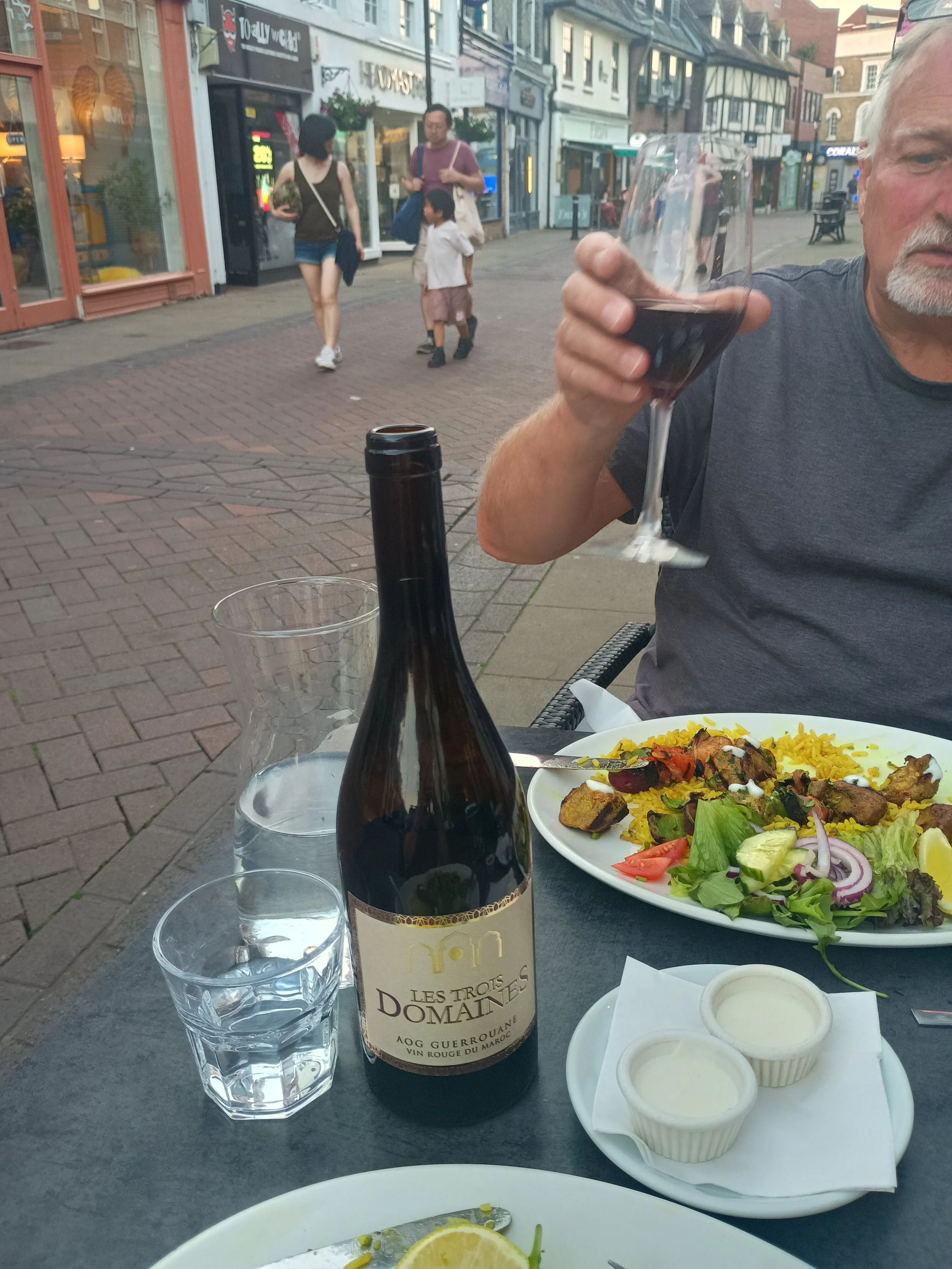
That evening we stumbled across a wonderful Moroccan restaurant and enjoyed delicious food, warm hospitality, and the pleasure of dining al fresco on a perfect summer evening.
MONDAY
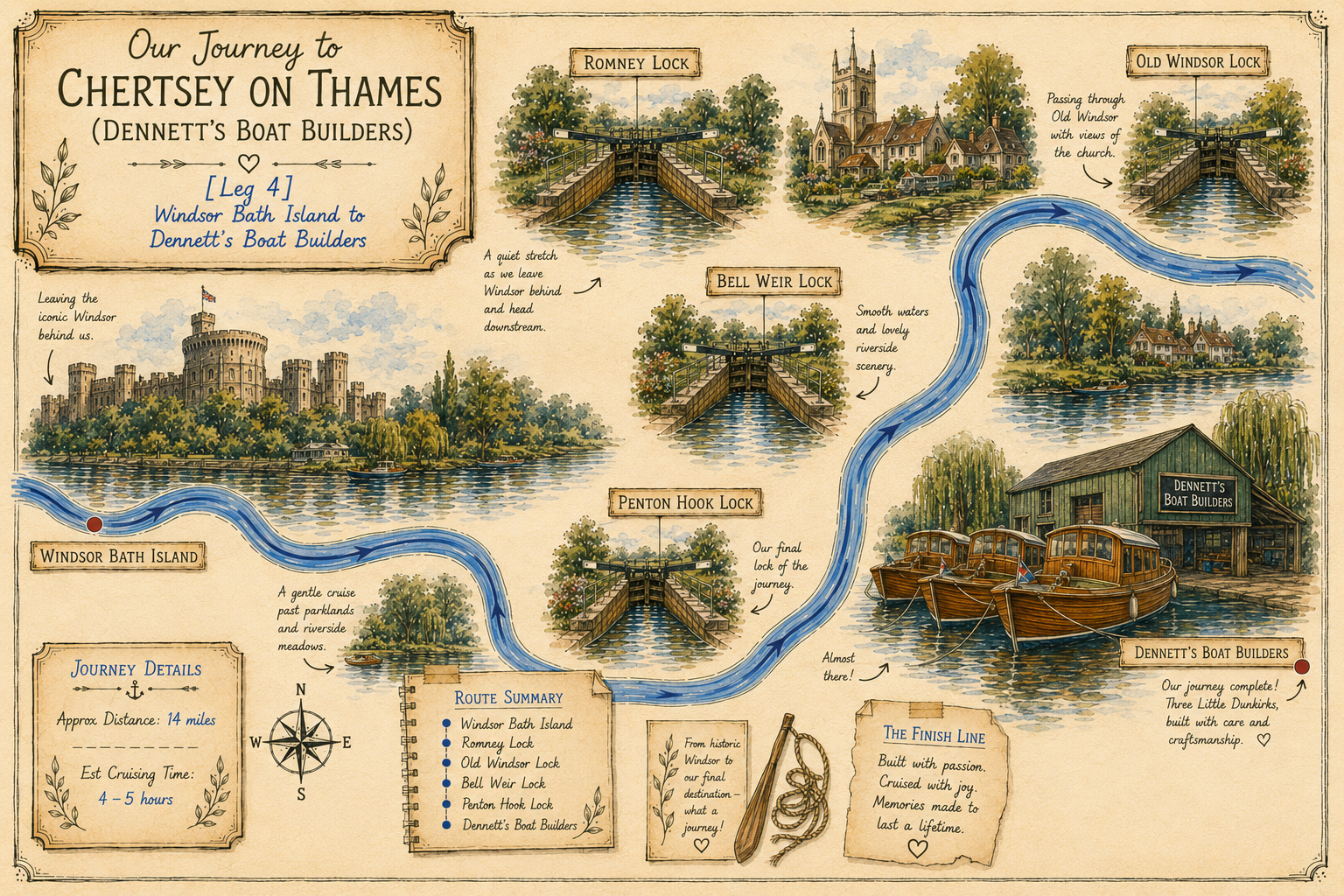
After a leisurely start to the morning and yet another glorious day on the water, we made our way through four more locks before arriving at Dennett Boat Builders.
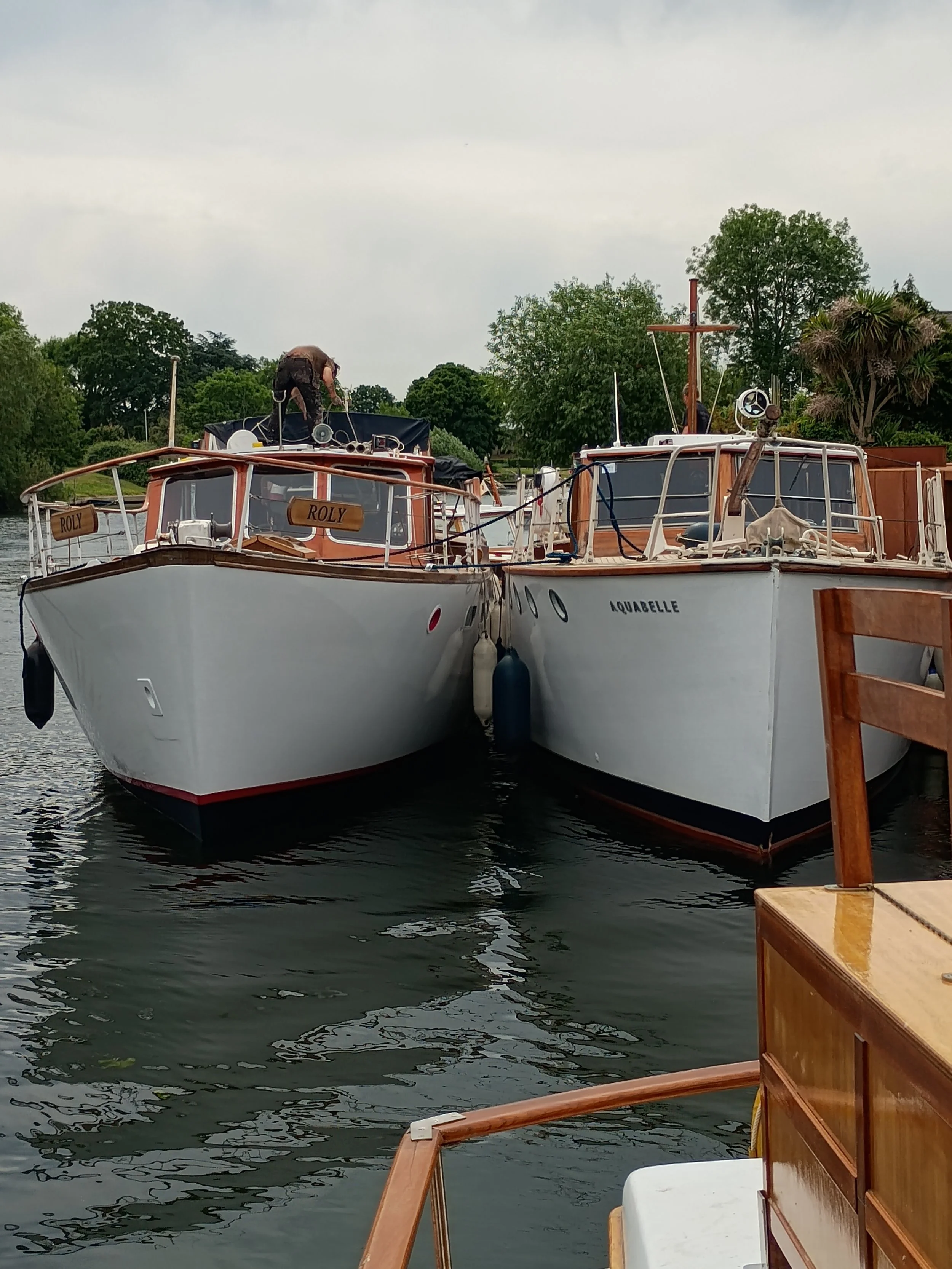
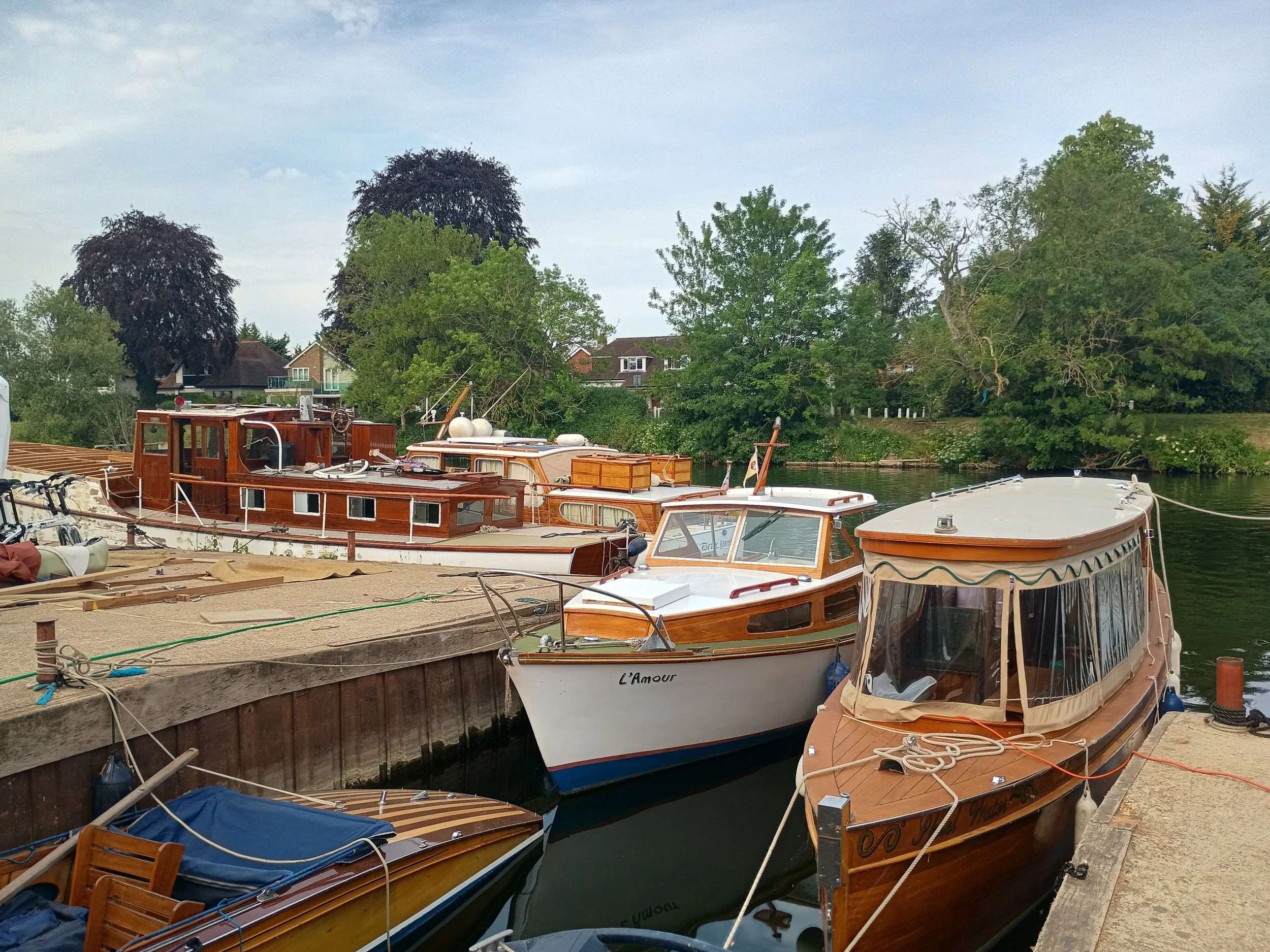
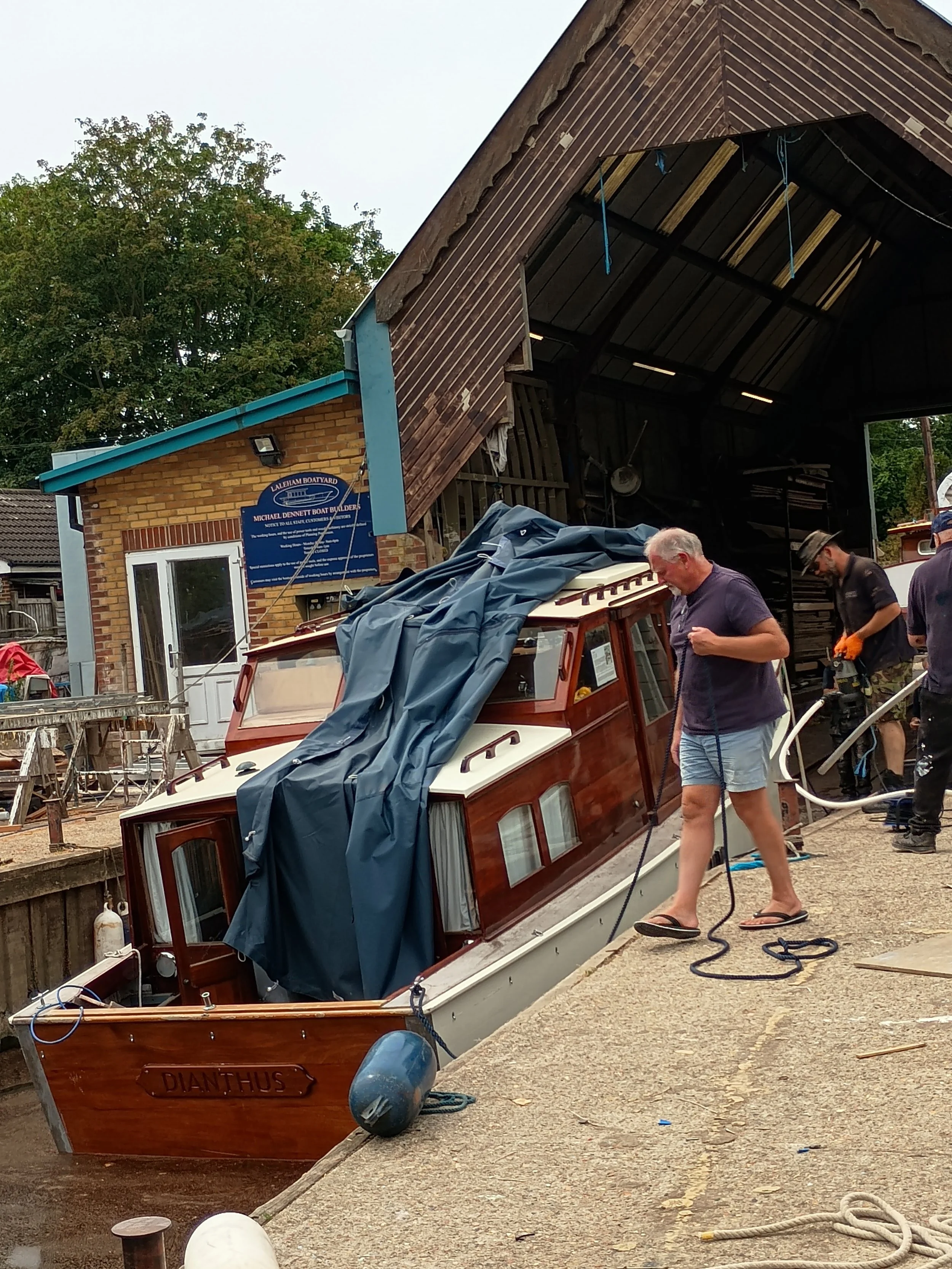
Although it was a Bank Holiday, there were still several craftsmen working around the yard. From the moment we arrived, everyone was welcoming and accommodating. They helped us tie up, connected us to shore power, and then left us free to wander around and explore.
It felt slightly surreal to finally be there.
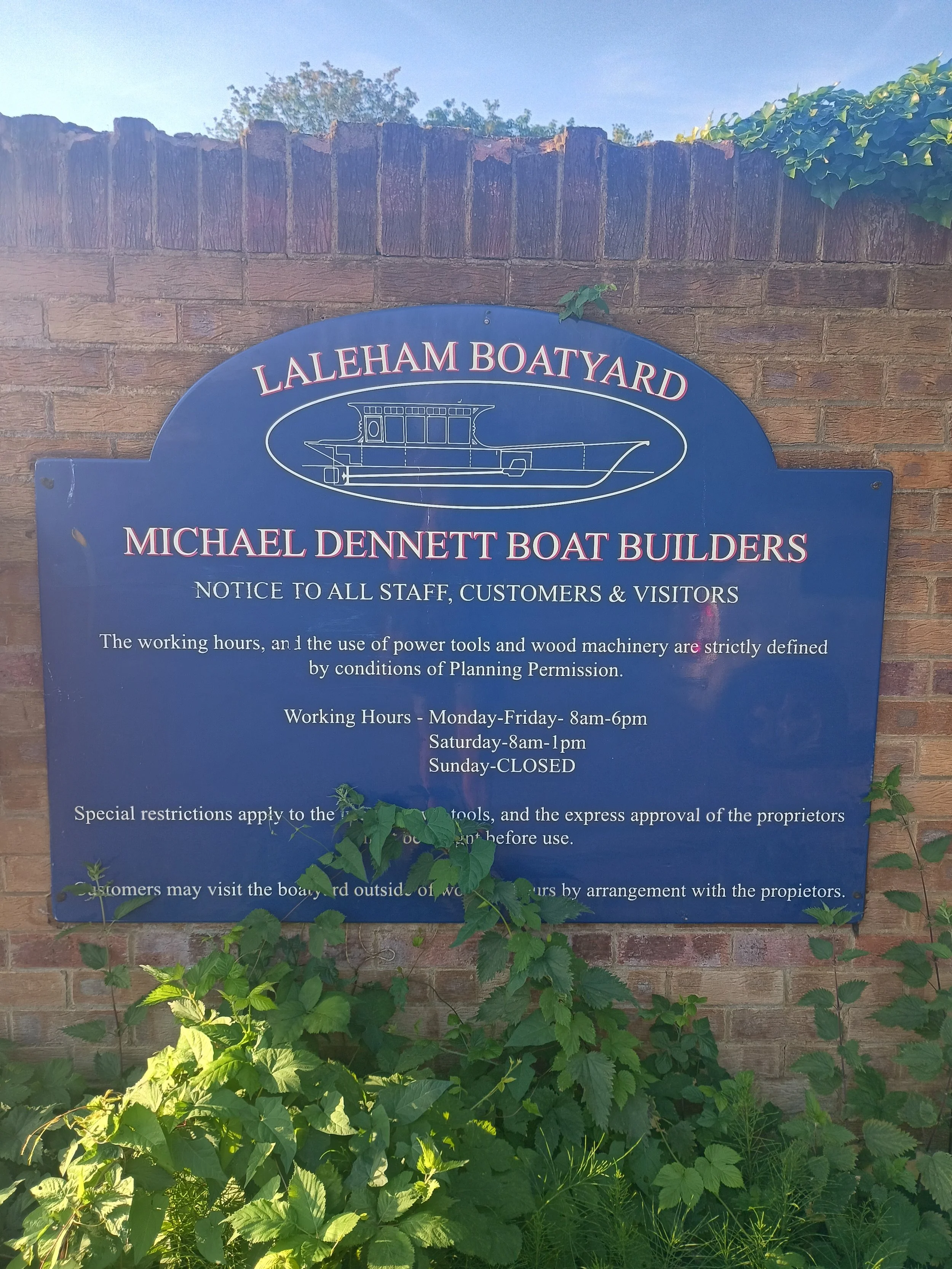
When we first bought Deux Poissons and began planning her restoration, we quickly realised that we would need the skills of experienced shipwrights and traditional boat builders. Time and time again, whether through online research, recommendations from other owners, or conversations on in our boat yard, one name kept coming up: Dennett Boat Builders.
Established in 1962, the family-run business has built a reputation for preserving traditional boatbuilding and joinery skills, restoring and maintaining some of the finest classic wooden boats on the Thames.
Unfortunately, at the time it was just something we could not manage. So for us, this was the boatyard that always sat firmly on our bucket list.
Over the years, while cruising the Thames, we had passed the yard several times. Every time we went by, one of us would inevitably say, "Wouldn't it be wonderful if one day..."
Now, quite unexpectedly, that day had arrived.
The circumstances that brought us here were certainly not the ones we would have chosen. An insurance claim following a collision was hardly the route we had imagined. Yet as we stood in the yard looking around at the craftsmanship, the beautifully restored boats and the skilled team at work, it was impossible not to feel grateful.
There is something rather special about watching people who genuinely love what they do. Everywhere we looked there were examples of traditional skills being practised with care, patience and pride. Wood that looked beyond saving was being transformed into something beautiful. Boats that had seen decades of service were being given a new lease of life.
For owners of classic boats, it is reassuring to know that places like this still exist.
As we settled Deux Poissons into her temporary home and reflected on the journey from the collision in Abingdon last year to Chertsey, even our false start to France in 2025, it struck us how often boating adventures take unexpected turns. What had started with an unfortunate collision had become a memorable four-day cruise through some of the loveliest stretches of the Thames, in the beautiful English summer, ending at a boatyard we had admired for years.
Not quite the journey we had planned, perhaps — but one we will remember for a very long time.