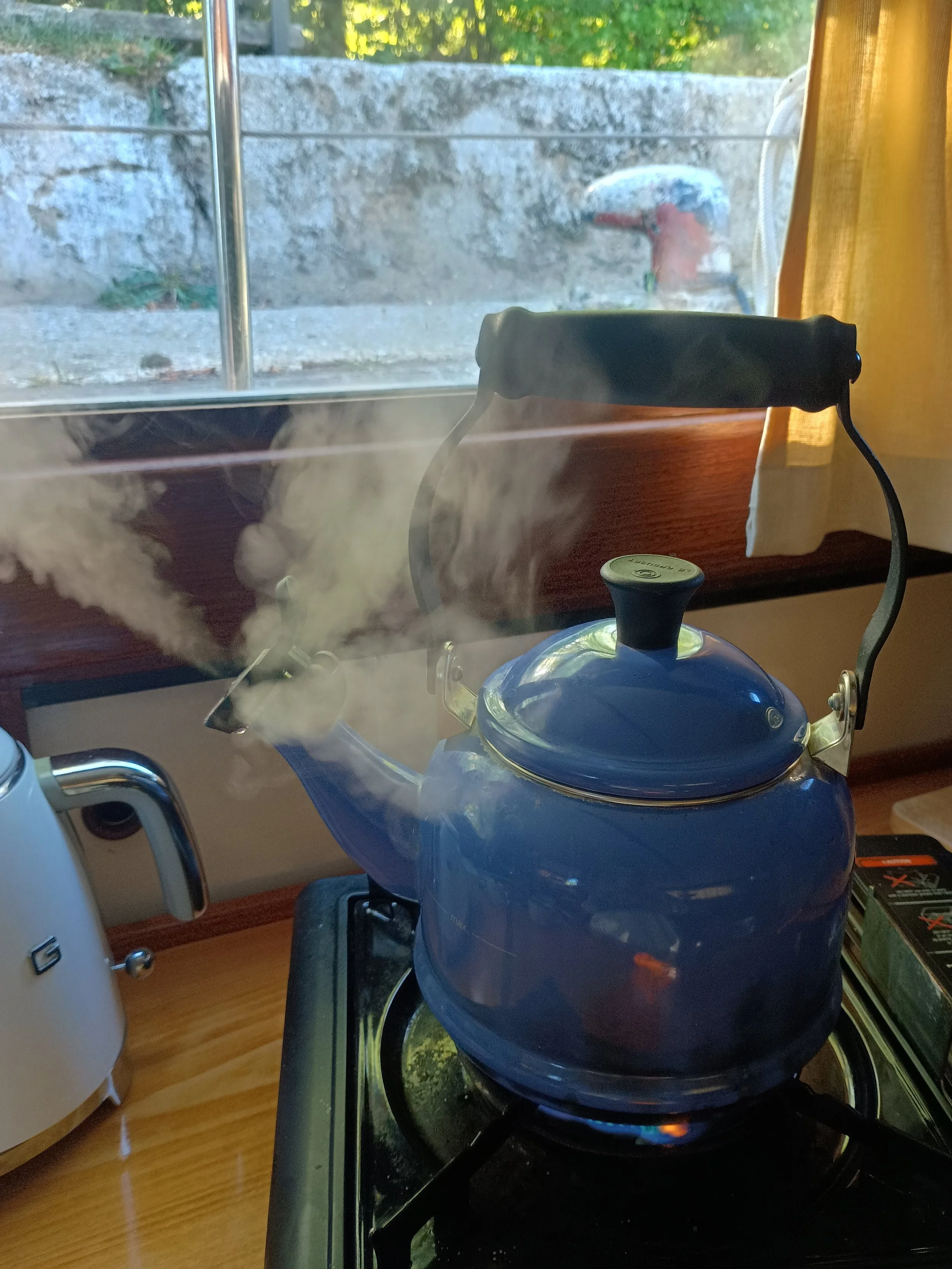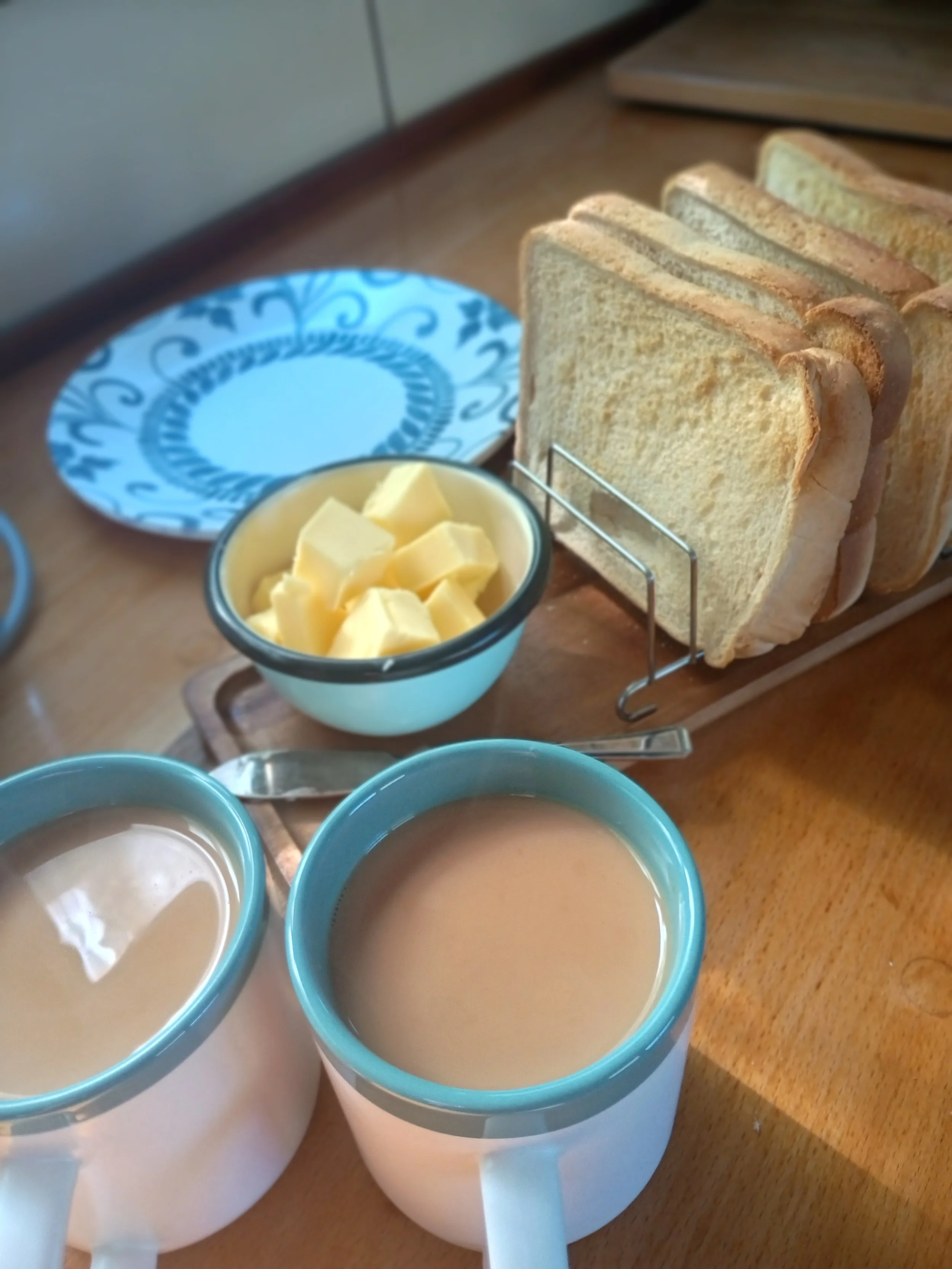
We woke up late and took our time easing our slightly broken bodies out of bed. It was probably a sign that we either needed to improve our fitness levels or choose smaller hills to cycle up. Still, nothing a good cup of tea and some toast couldn't fix.
After breakfast, we took a gentle stroll to the station to collect our family guests. The early afternoon was spent showing off Goring, followed by a delicious pub lunch before it was time to cast off and head towards Wallingford.
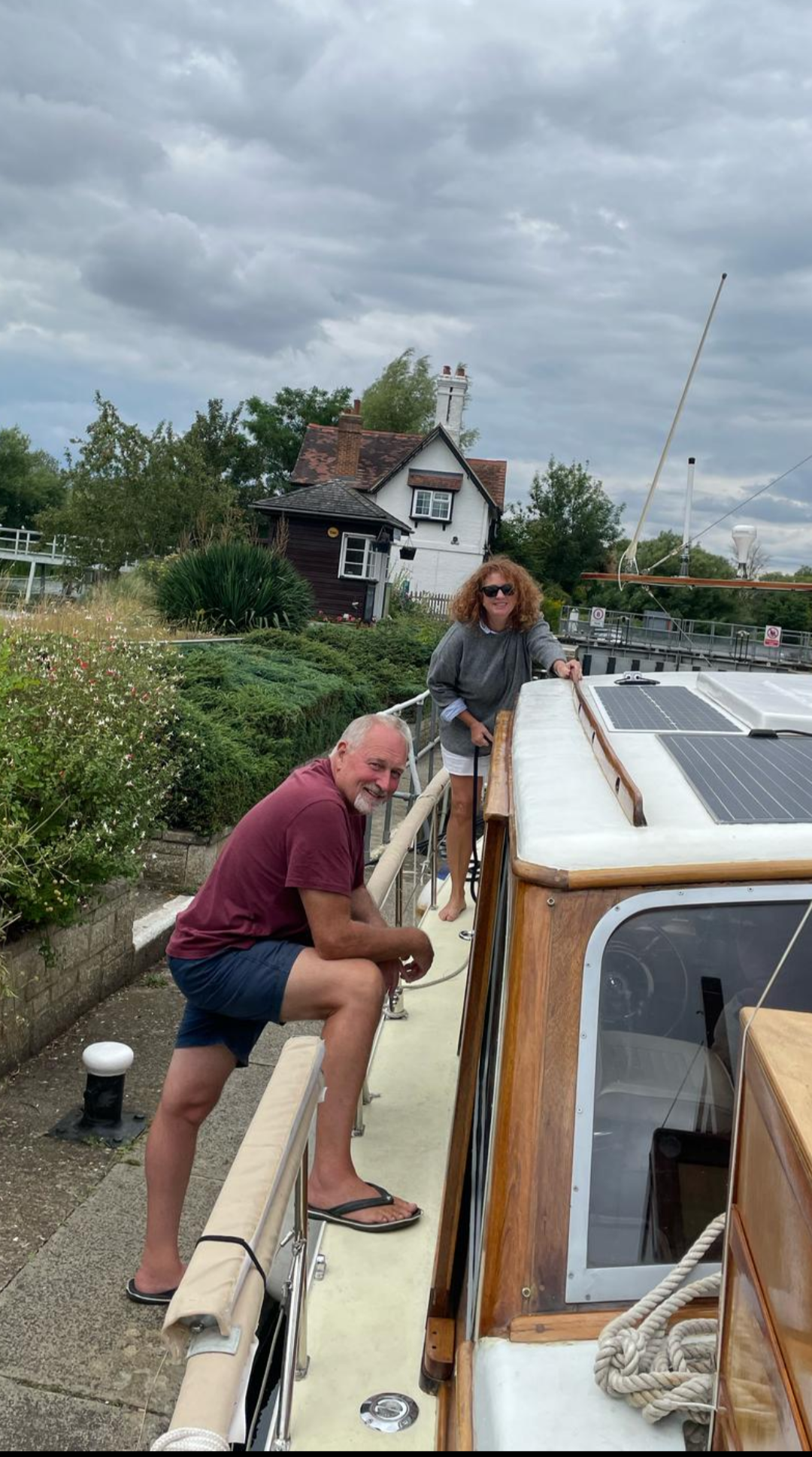
The journey was an easy one. We only had to negotiate two locks – Cleeve and Benson – giving our guests a gentle introduction to lock duty, with the promise of four locks waiting for them on the return trip on Monday. They also got their first taste of life at river pace, gliding through the countryside at four knots (about 4.6 mph / 7.4 km/h), with plenty of time to admire the scenery.
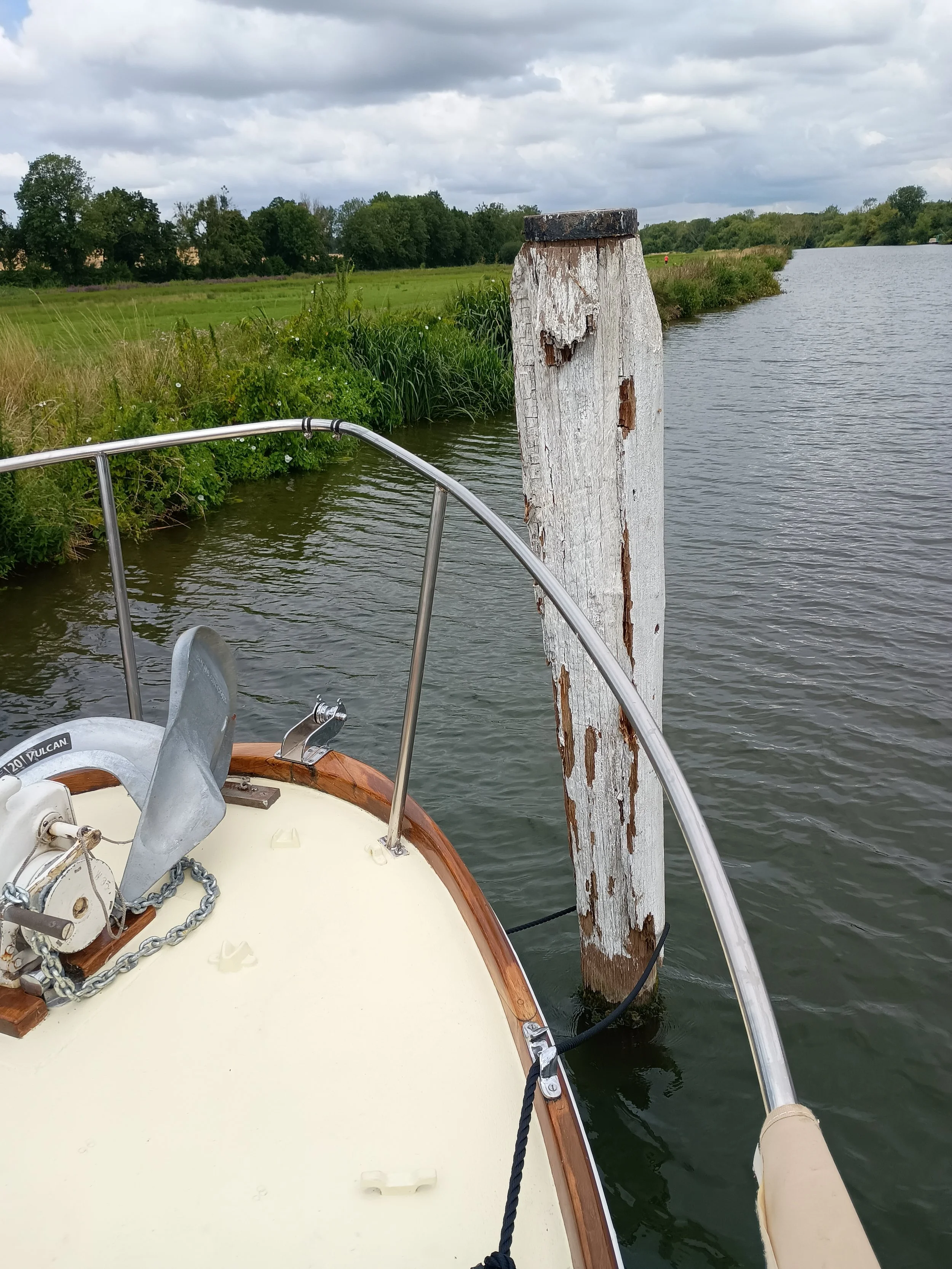
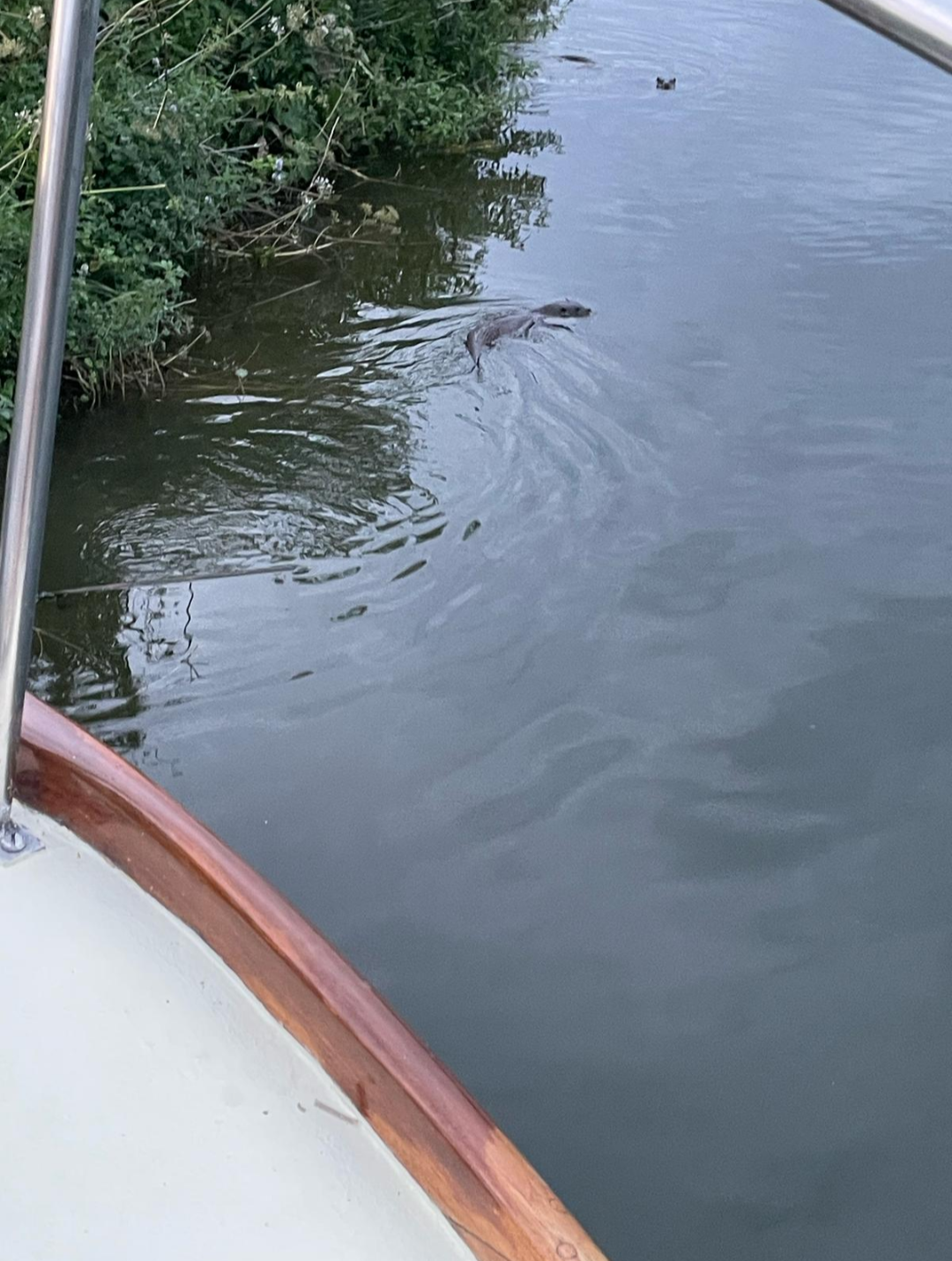
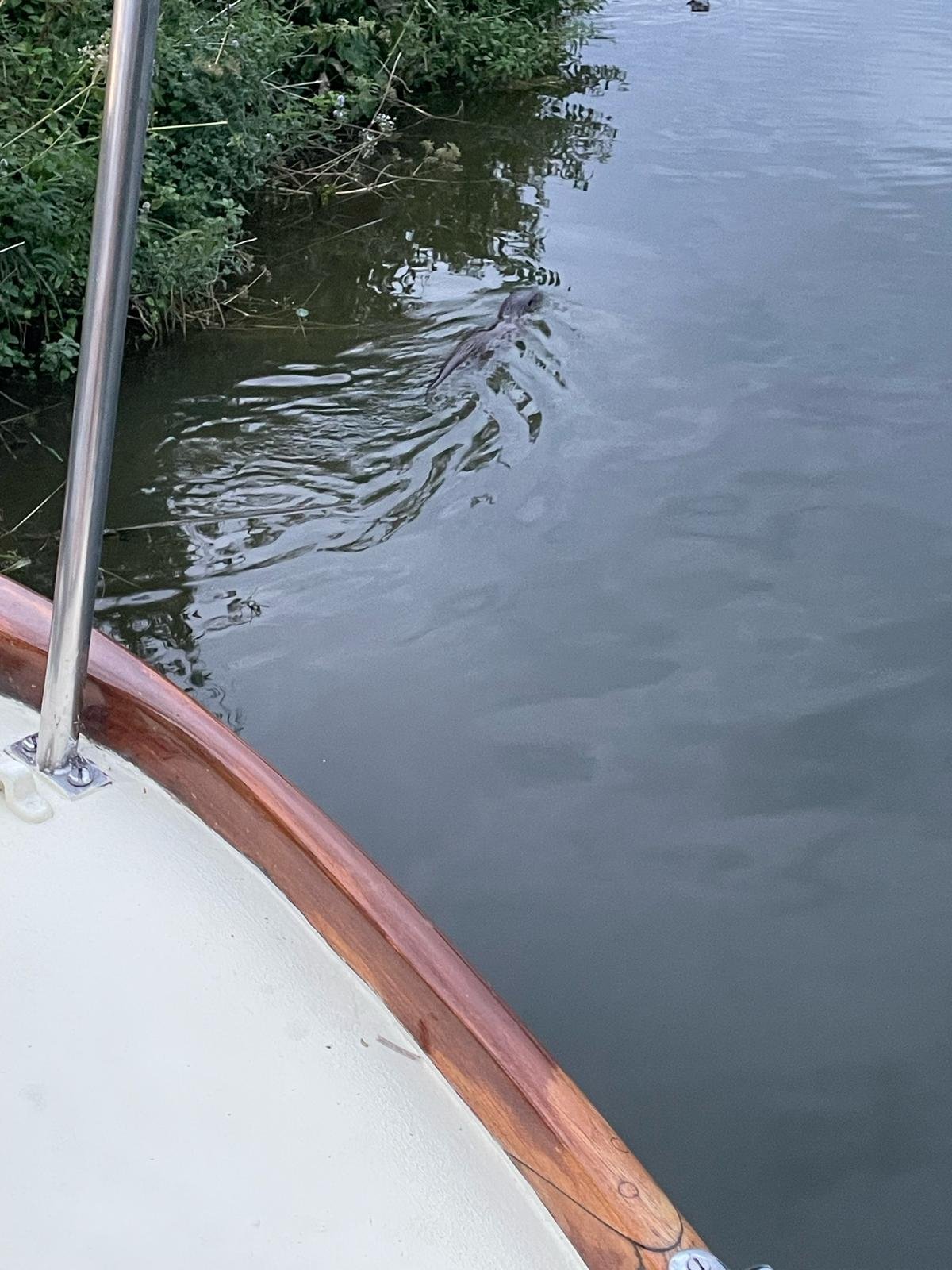
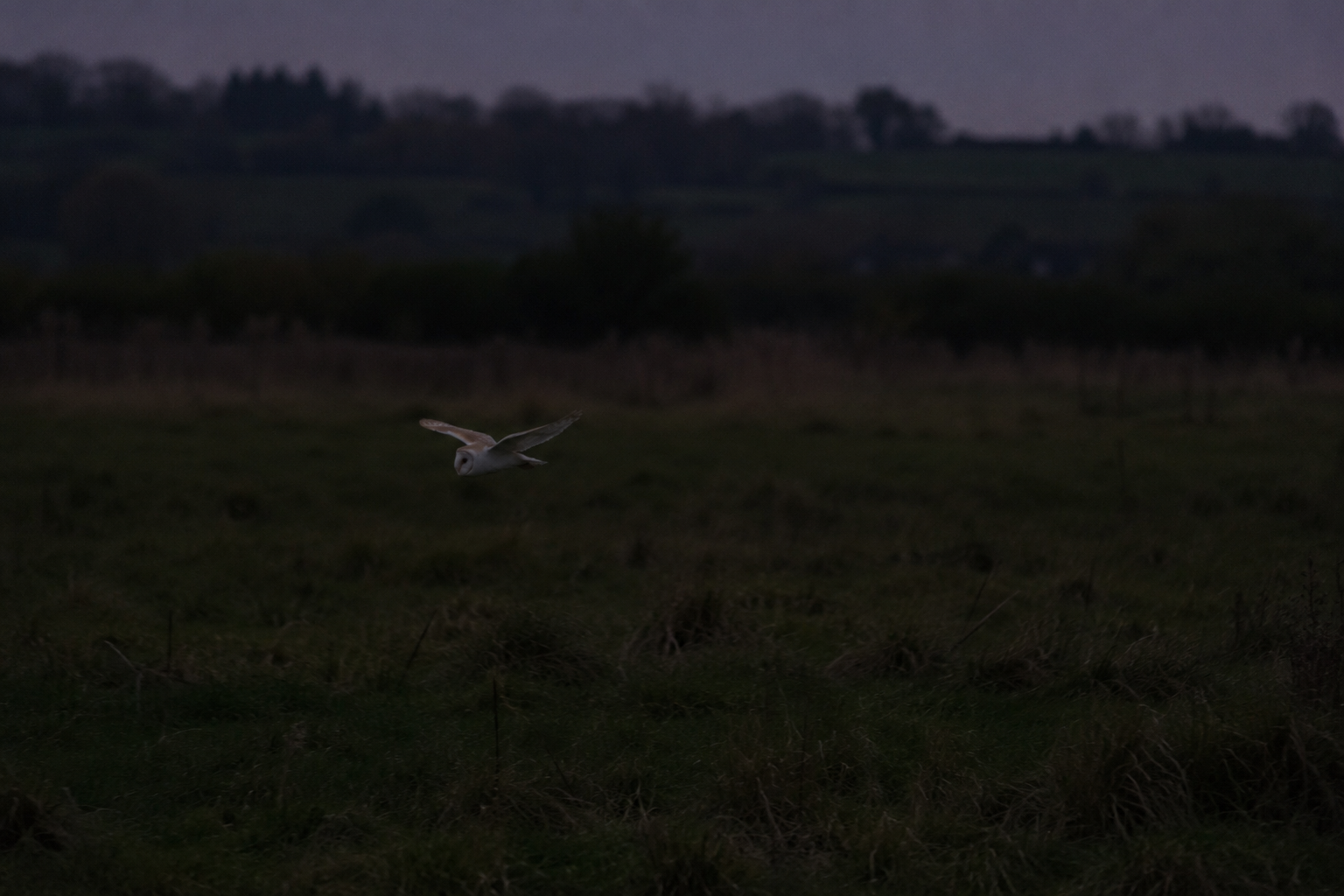
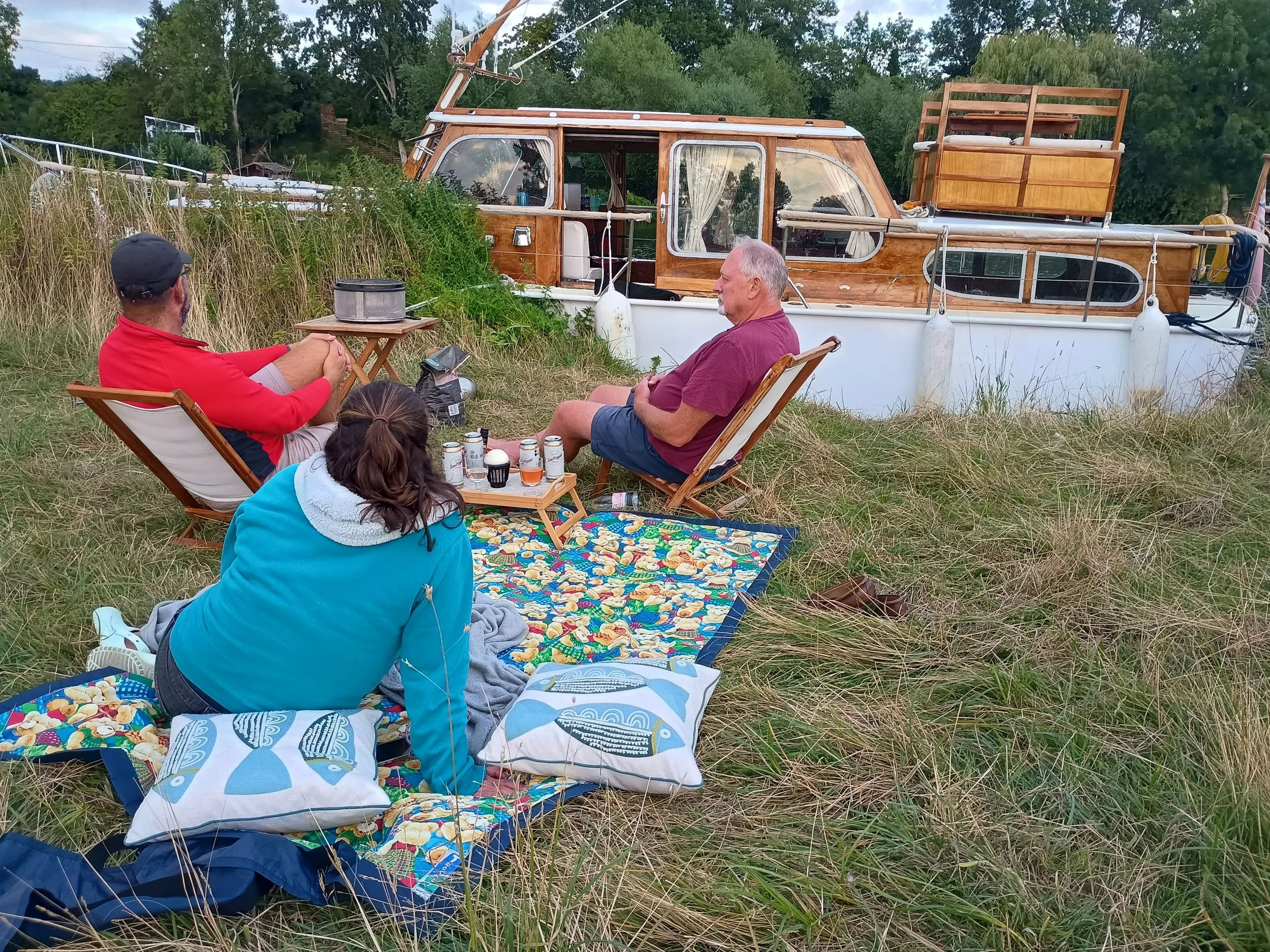
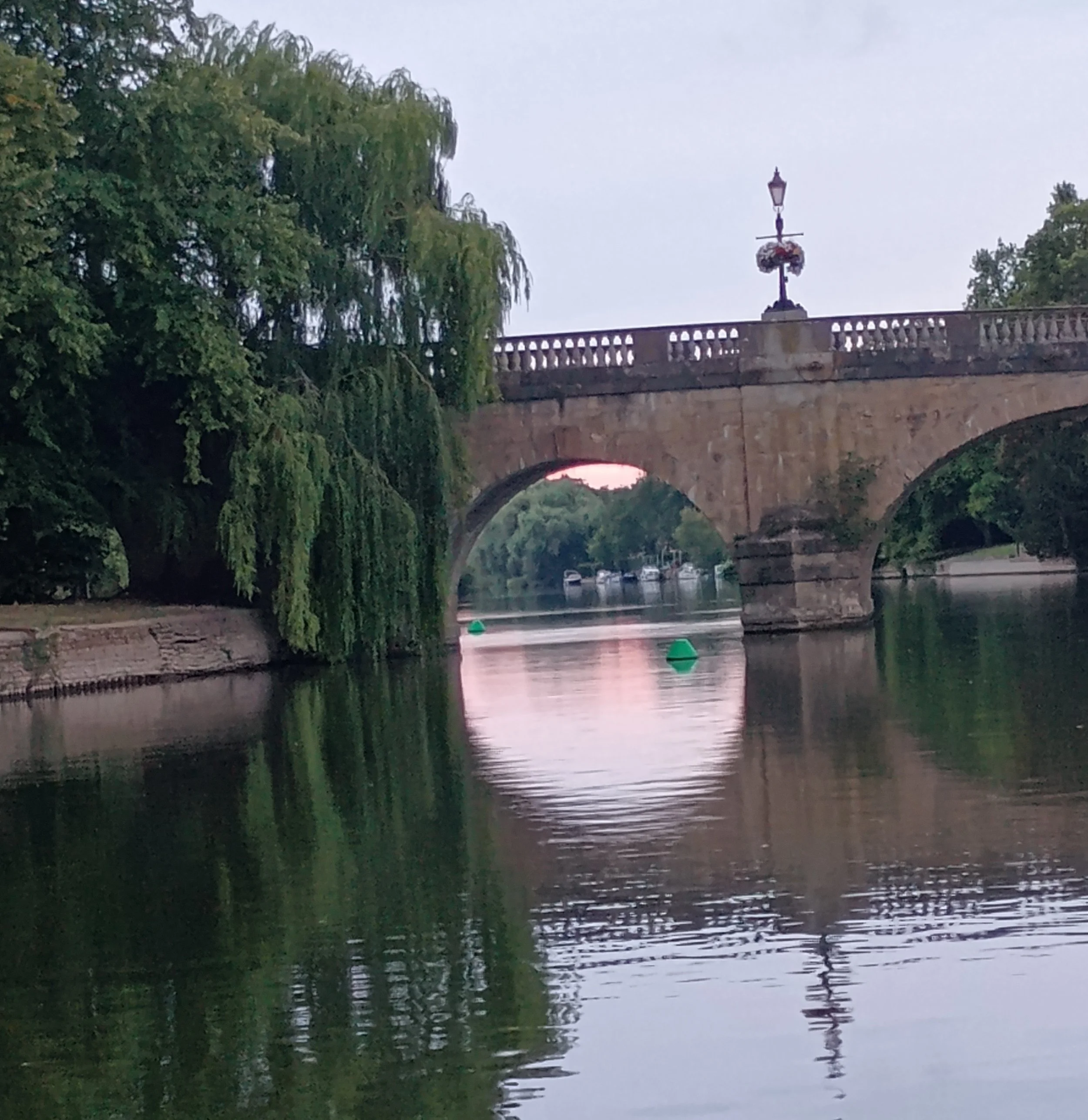
Shortly after Cleeve Lock, we passed a stretch of bank where we had moored overnight with friends last summer. It remains one of our favourite spots on the Thames. We shared stories of otters swimming around the boat at dusk and a magnificent barn owl silently hunting across the meadow as darkness fell. We promised ourselves we would return one day, hoping to witness the same magic again. And if not, simply to enjoy the peace, a beautiful sunset and a sundowner or two on the foredeck.
These are the moments we treasure most about boat life. They more than compensate for the less glamorous realities of boat ownership – varnishing, bilge cleaning, laundry, sanding, de-cluttering and, of course, more varnishing.
In less than three hours, we arrived in Wallingford and secured a mooring right in the town centre. Once settled, we set off to explore.
Like many towns along the Thames, Wallingford has a rich and fascinating history. Following William the Conqueror's victory in 1066, Wallingford Castle became one of the most important strongholds in England. The town flourished throughout the Middle Ages and later played an important role in ending the civil war, known as The Anarchy when the Treaty of Wallingford was signed there in 1153.
The centuries that followed were less kind. The Black Death reduced the population, and the town gradually fell from royal favour. However, Wallingford found itself at the centre of events once more during the English Civil War, becoming the last Royalist stronghold in Berkshire. After a sixteen-week siege, the town finally surrendered, and Oliver Cromwell ordered Wallingford Castle to be destroyed to prevent it being used in any future uprising.
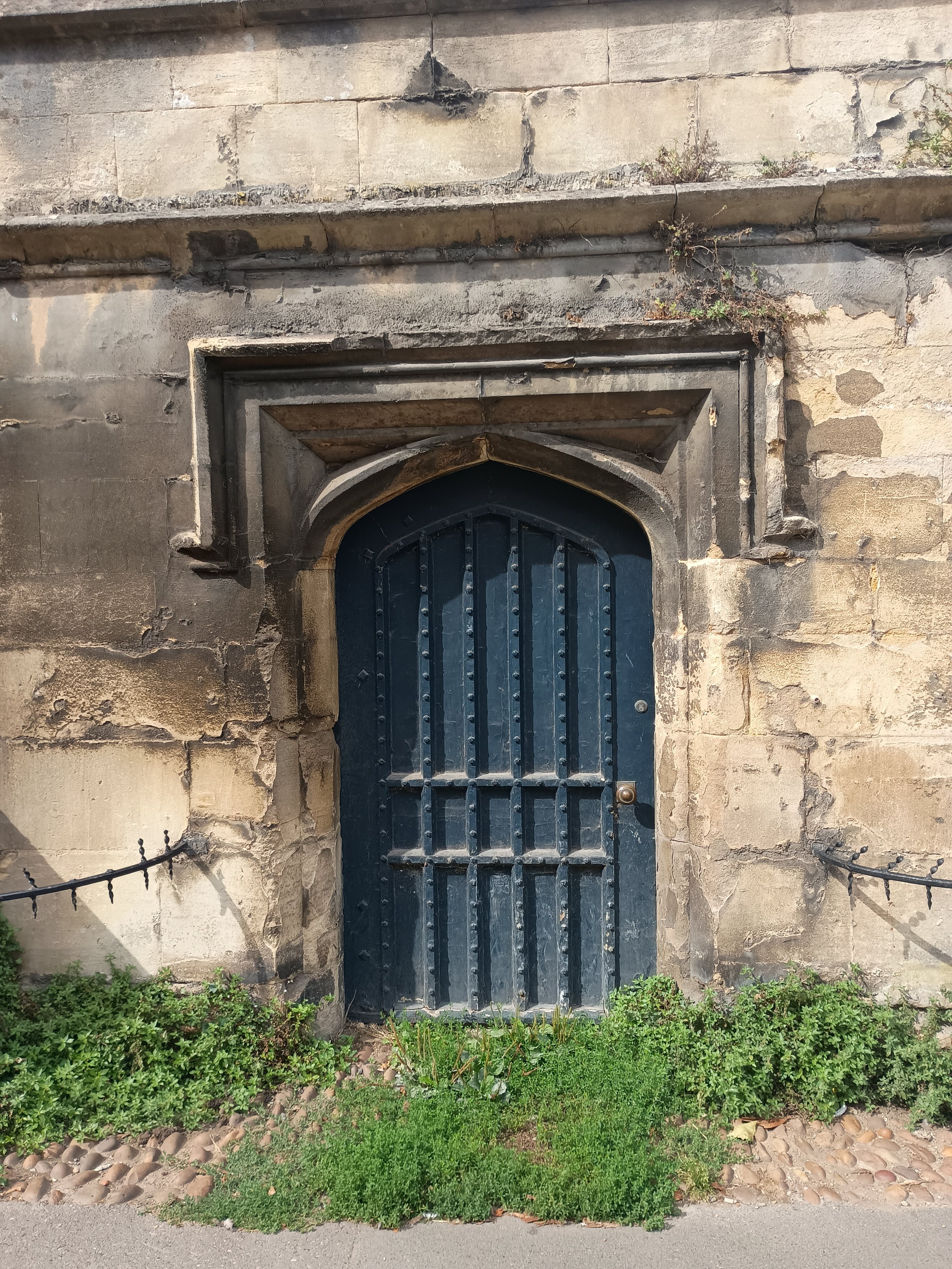
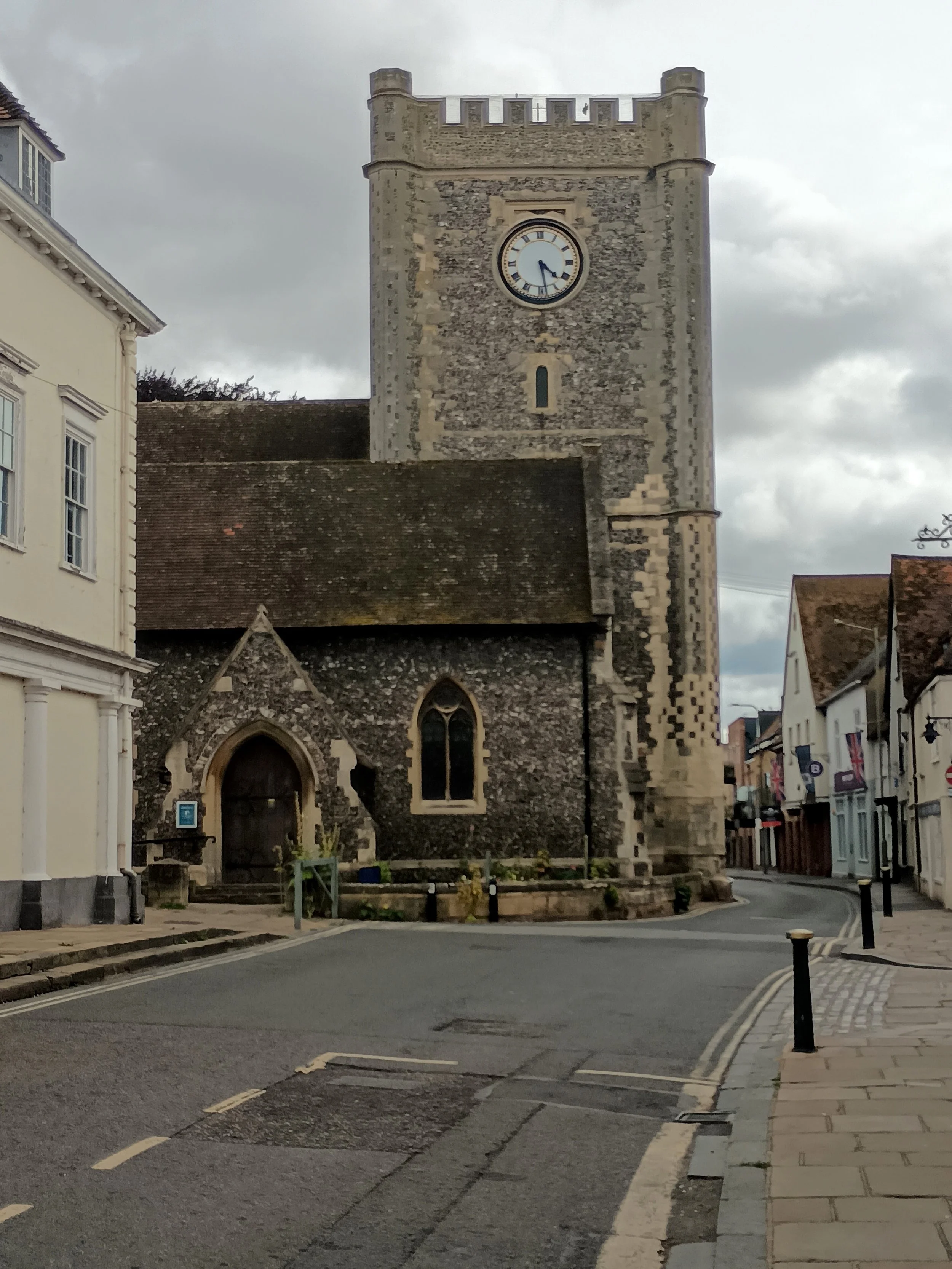
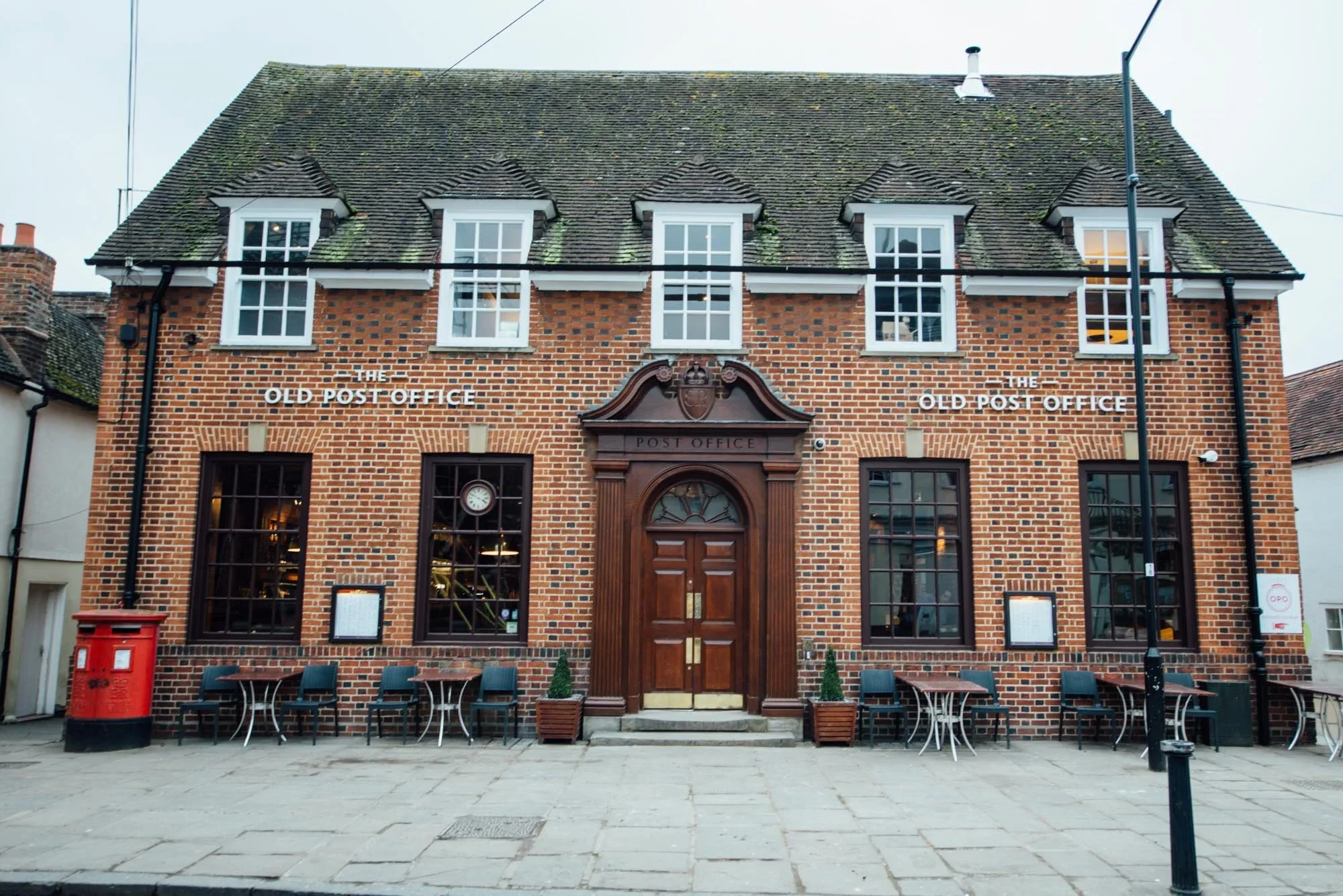
Today, Wallingford is a thriving market town, full of independent shops, cafés and narrow side streets waiting to be explored (not by bicycle today). It also appears to have a remarkably busy Post Office. At least, that's what we thought until we discovered that most of the activity was centred around pints rather than parcels.
The Old Post Office, located just off the Market Square, occupies a Grade II listed building that once served as the town's main Crown Post Office. Following its closure in the late 1990s, it was transformed into a bar and restaurant. Many of the original features remain, including the Victorian counter, while a traditional red post box still stands proudly in the courtyard outside. Needless to say, it quickly earned a place on our Wallingford itinerary.
The evening passed pleasantly, catching up on family news, sharing stories and enjoying a delicious dinner and few drinks before retiring to Deux Poissons for the night.
Tomorrow, we turn downstream and begin our leisurely journey back towards Reading.